Inspired by new release, Rock Idols, a unique and evocative guide to Dartmoor’s tors, we delve into the character, history and allure of six of our favourite Dartmoor tors.
Dartmoor National Park is defined by its rugged, ancient landscape, crowned by the spectacular Dartmoor Tors. These formidable granite outcrops are far more than just rock formations; they are monuments of deep time, history, and legend, dating back an astonishing 280 million years. Revered since ancient times, Victorian antiquarians famously referred to them as ‘rock idols,’ believing them to be stone deities once worshipped by the Druids.
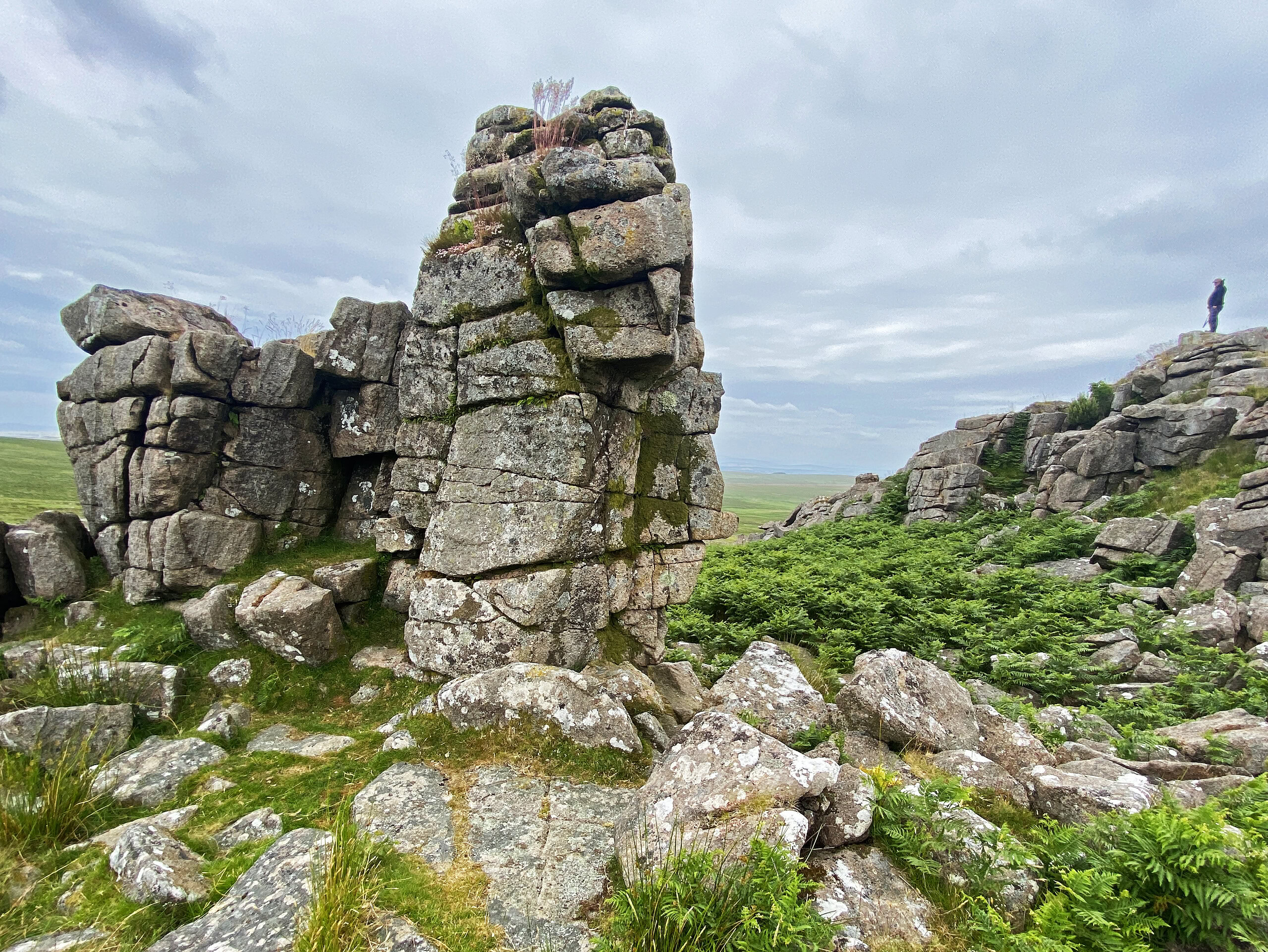
Each year, thousands of visitors are drawn to the Dartmoor tors to walk, soak up the wild landscape, and breathe in the region’s sense of mystery. While some tors are iconic and often busy, others are quieter, waiting to be discovered. You could set out to explore all of the many tors, or simply focus on a select few that best capture the spirit of Dartmoor.
A guide to Dartmoor’s tors
Rock Idols delves into the stories, legends, and history of 28 Dartmoor tors. More than just a guide to navigating this monumental landscape, it’s a heartfelt tribute to the tors themselves. Authored, illustrated, and photographed by Alex Murdin and Sophie Pierce, the book is described as a hymn to these ancient monoliths. It beautifully weaves together personal anecdotes, original artwork, and in-depth explorations of the moor, as well as practical tips on how to navigate.
Here, we discover six of Dartmoor’s most inspiring and iconic tors
Though Rock Idols features 28 distinct tors, several stand out for their spectacular drama, deep mythology, and unique history.
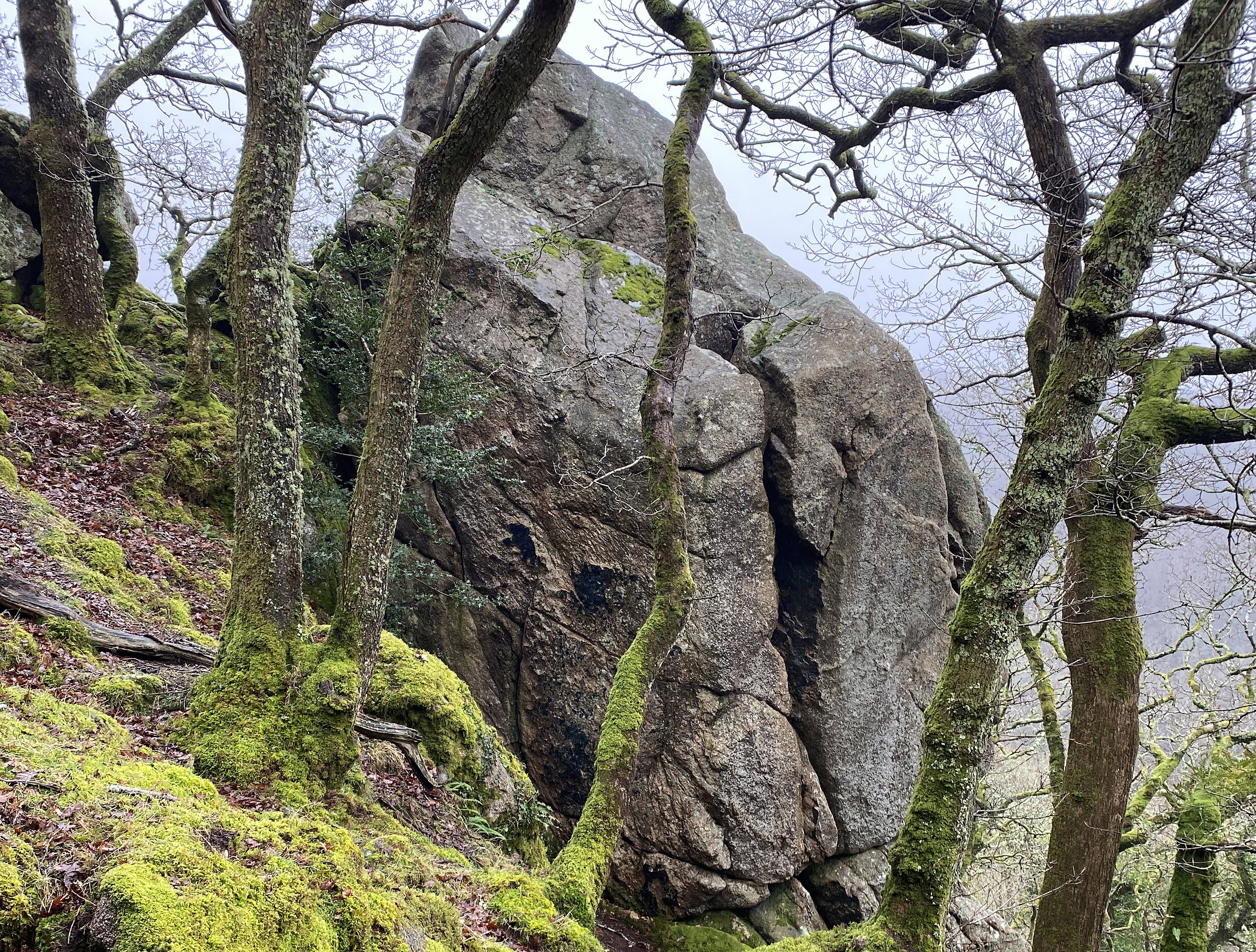
1. Dewerstone: The Gothic Cliff of Whisht Hounds
The Dewerstone is perhaps the most gothic and myth-laden of all the Dartmoor Tors. It is an immense structure, with great columns of stone towering around 160 metres above the River Plym. This natural drama fuelled the legend of the Devil – known in Devon dialect as ‘Dewer’- who lured travellers to their deaths before his terrifying pack of black whisht hounds.
Today, the tor is heavily cloaked in dense Devon rainforest. Despite the difficulty of viewing the entire structure, the Dewerstone maintains its mystery. It’s even yielded modern archaeological discoveries… a Bronze Age pottery cup was found secreted in a crevice by a climber in 1960.
2. Crockern Tor: Seat of Medieval Justice
Crockern Tor is renowned less for its physical size and more for its unique historical role. For several centuries, this exposed spot was the site of the Stannary Parliament. An open-air court, the area was used by medieval tin miners to resolve disputes and administer justice. It was clearly a central location within the tin industry’s boundaries.
The tor is heavily associated with the legendary figure ‘Old Crockern.’ Described by Sabine Baring-Gould as the “gurt old sperit of the moors,” grey as granite, he rides a skeleton horse to defend the moor from those who would exploit it. The much-loved tor has recently been invoked as a figurehead in the modern Right to Roam campaign. It continues to embody resistance to any attempted restrictions on moorland access.
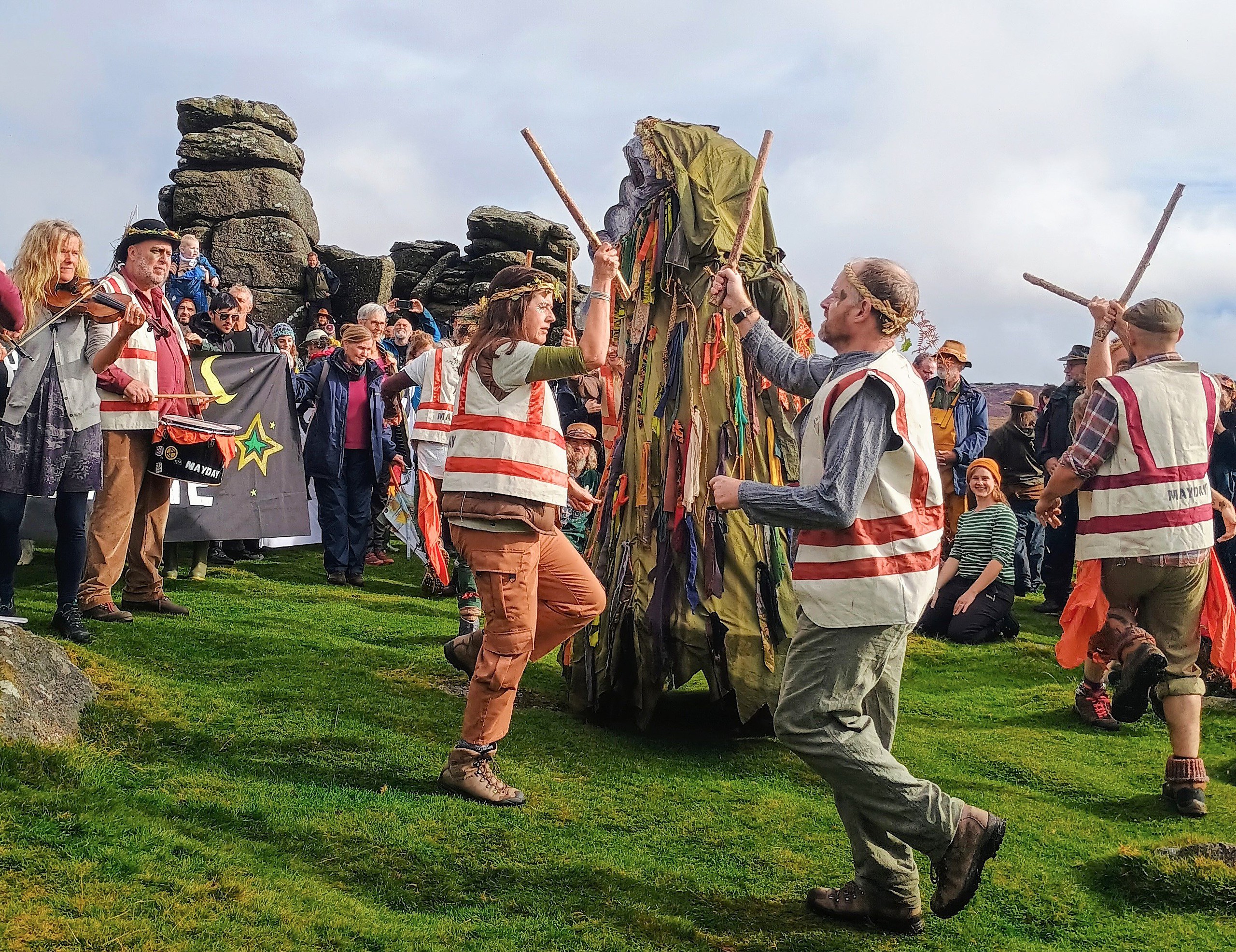
3. Bench Tor: The Dart Gorge Sentinel
Unlike the many Dartmoor Tors that crown hilltops, Bench Tor spreads along a ridge. Its distinction comes from its proximity to the dramatic Dart Gorge. Here, the River Dart violently carves its way through the valley. This position offers an incredible sense of height, providing visitors with incredible views down to the river five hundred feet below. The area was once wild enough to be the habitat of the golden eagle, with one of the outcrops historically known as ‘Eagle Rock’.
4. Blackingstone Rock and Heltor: The Granite Gatekeepers
Referred to as the ‘twin tors,’ Blackingstone Rock and Heltor stand guard in the north-eastern corner of Dartmoor. They mark the border between the open moor and the lush farmlands beyond. Local legend links their formation to a battle between King Arthur and the Devil, who turned the quoits they threw at each other into these stone towers.
Blackingstone Rock is notable for its smooth, flowing appearance and features an extraordinary, man-made stone staircase, complete with wrought-iron handrails. It was built in 1870 to allow tourists to ascend the cliff face. Its twin, Heltor, maintains the appearance of an “ancient castle keep” when viewed from the valley below.
5. Great Mis Tor: The Boundary Mark and The Devil’s Pan
Recognised as one of the “most magnificent tors on Dartmoor,” Great Mis Tor is notable not just for its extensive views but also for its antiquity. It was first mentioned as a boundary marker in the 1240 Perambulation of Dartmoor Forest. The views extend all the way to Plymouth Sound and the River Tamar.
The tor features the Mis Tor Pan, a very large and famous rock basin which was once known locally as the “Devil’s Frying Pan”. Even geological remnants are captivating: the tor holds a fallen summit-rock featuring two large hollows that resemble “eye-sockets in the skull of a mammoth,” a powerful image of deep time and erosion.
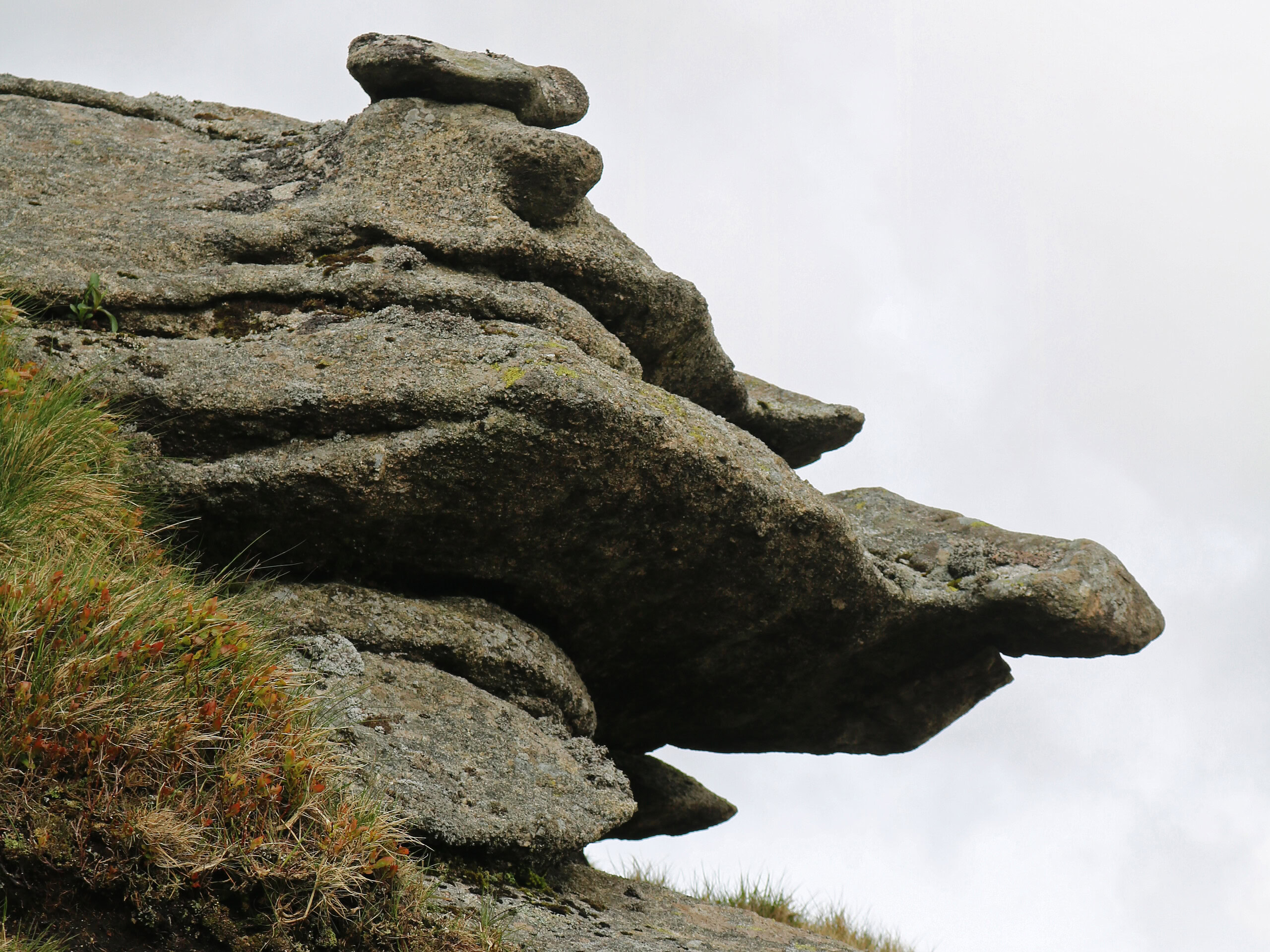
6. Greator Rocks: A Fairytale and Medieval Past
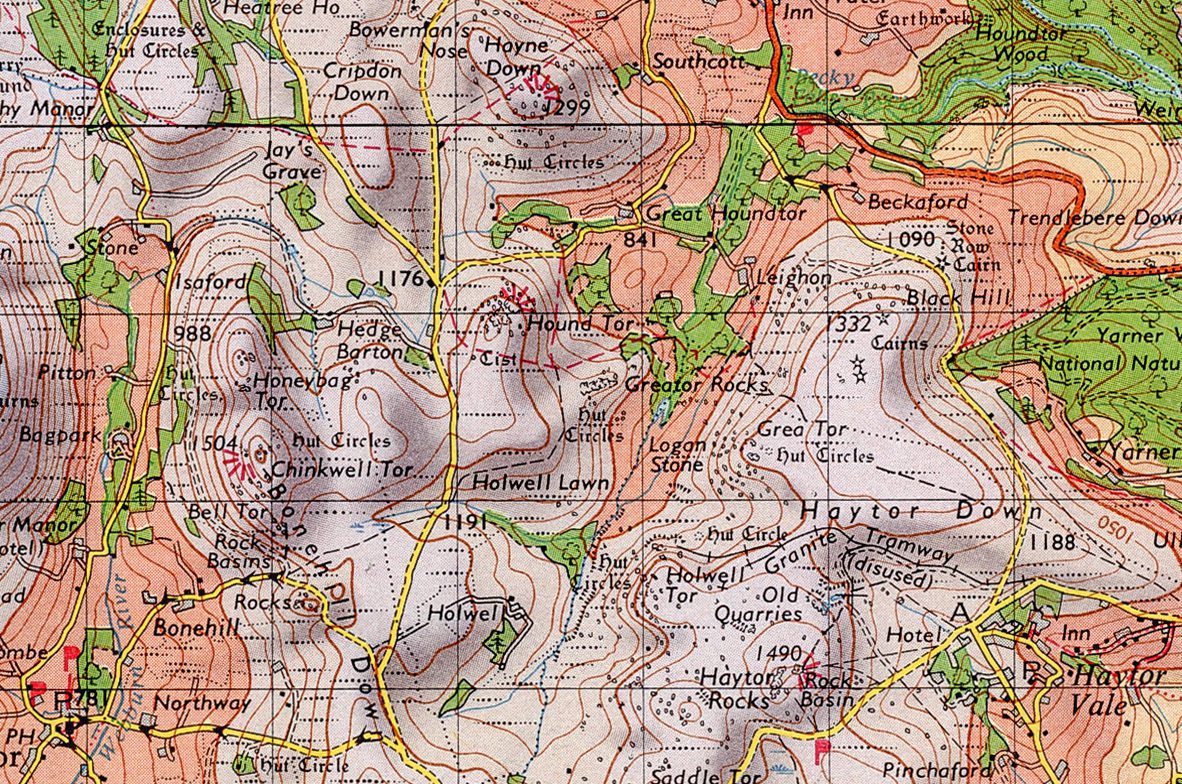
Greator Rocks presents a “fairytale air” due to its tower-like columns of rock. When viewed from the south, they resemble battlements. One of its most unusual features is the “Hermits Cave,” a substantial, person-height shelter with a large, lintel-like rock over the entrance. The tor stands near the meticulously excavated ruins of a medieval village, originally occupied by shepherds and farmers, adding centuries of human habitation to its landscape. The settlement declined due to climate change and the Black Death by the end of the 14th century.
Dartmoor tors: an enduring legend
Together, these varied and compelling features reveal why the Dartmoor tors continue to captivate thousands of visitors year after year. More than landmarks, they are timeless sentinels of the moor, shaping stories, stirring imagination, and forging a deep sense of connection that spans millions of years of weathered stone, human history, and enduring wonder.
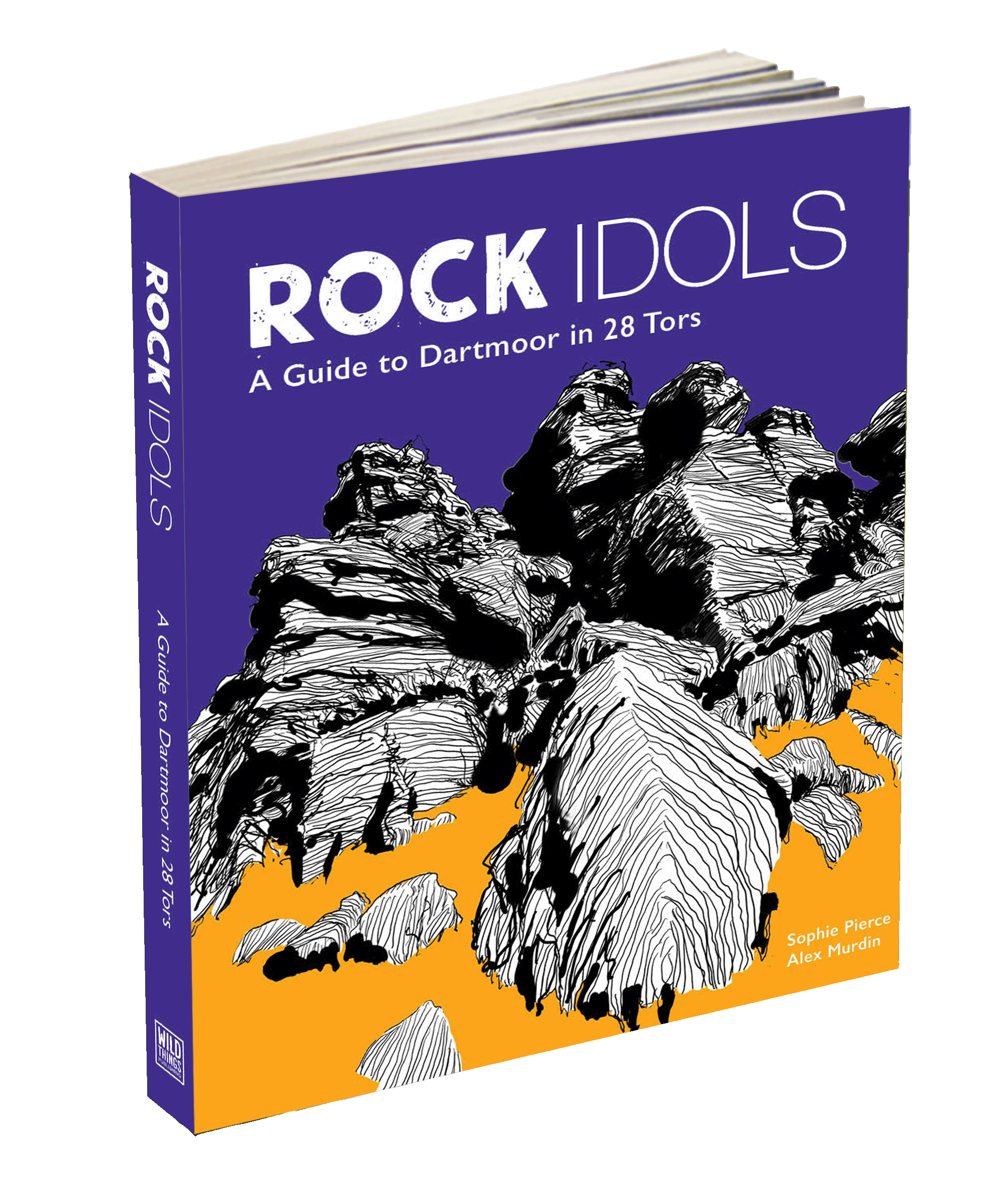
Rock Idols: A guide to Dartmoor in 28 Tors
Fantastical yet natural, Dartmoor’s 280-million-year-old tors are among the most iconic landmarks in Southern Britain. Victorian antiquarians described them as ‘rock idols’, believing them to be stone deities worshipped by the Druids. Rock Idols is a hymn to these mysterious monoliths, in which the authors share
tales of their trips to 28 of the tors.