Explore the myth and folklore of Brittany’s ancient megaliths, inspired by Magical France, a guide to France’s spiritual landscapes.
Brittany, or Armorica, is a region steeped in ancient wonder. Here, the landscape itself whispers tales of giants, spirits and lost cultures. Long before the arrival of the Celts, prehistoric peoples from the Neolithic to the Bronze Age constructed monumental stone structures – megaliths – that define the spiritual geography of France. Brittany holds the greatest concentration of these ancient stones in the entire world, making it an unmissable destination for anyone seeking Europe’s mystical past.
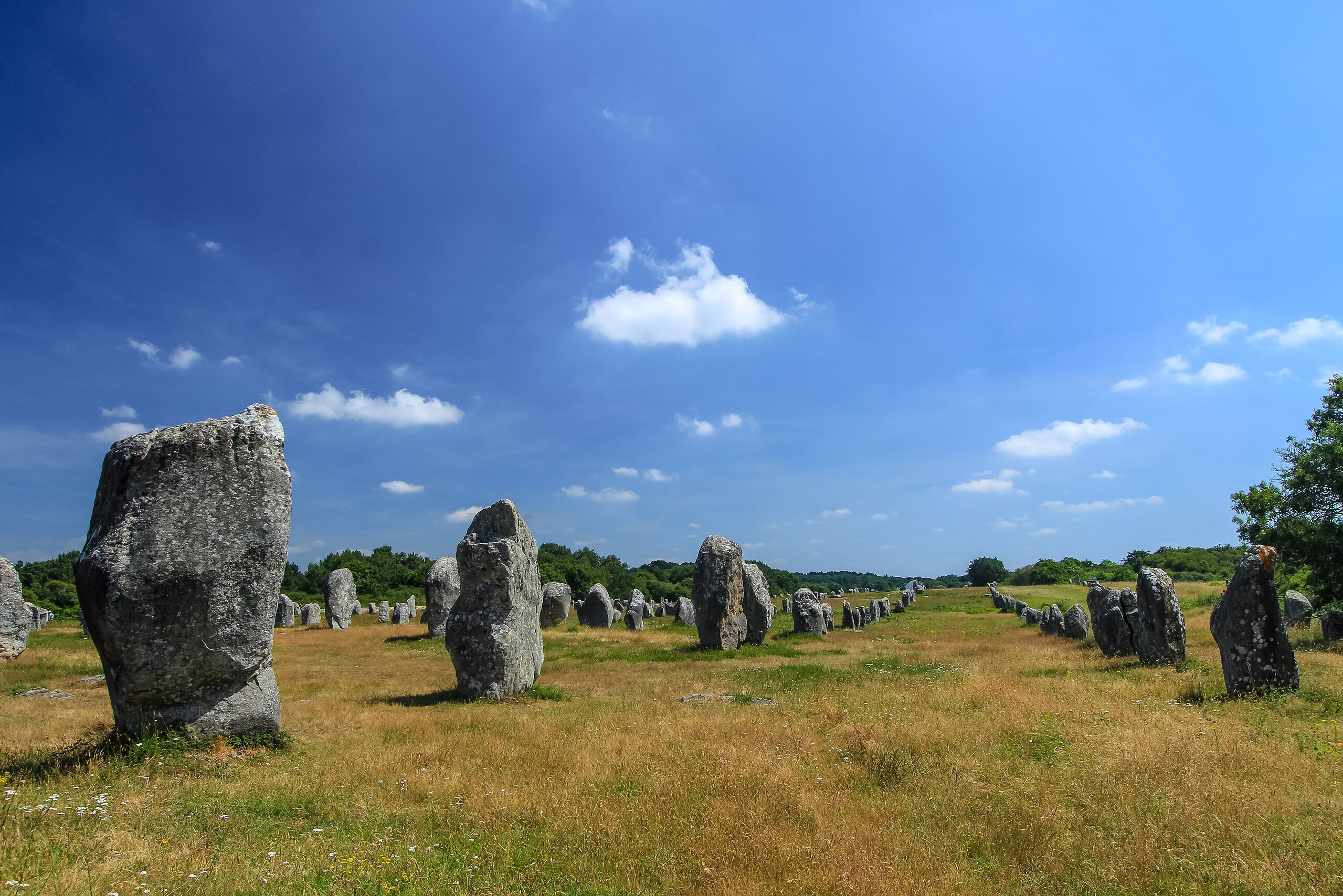
Menhirs, dolmens and cairns
The sheer scale and age of these monuments are astounding. The earliest inhabitants left behind menhirs (standing stones), dolmens (table-like tombs), and massive cairns built over millennia. These structures were much more than just burial sites; ancient burial chambers and tumuli were often seen as portals to the world of spirits and the ancestors.
Megaliths and Breton folklore
The ancient stones are woven directly into Breton folklore. Local legends claim that the giant Gargantua dropped or placed some of the tall menhirs. Covered structures are often believed to be the dwellings of the korrigans and other fairy folk, seen as gateways to their mysterious realm. The enduring presence of these megalithic sites, some raised over the course of 2,000 years, speaks to an extraordinary cultural continuity and spiritual importance.
The best ancient stones to visit in Brittany
If you’re planning a journey to discover the magic of Brittany, here are some essential ancient stone sites to explore:
1. The Carnac Alignments (Morbihan)
The alignments at Carnac represent the world’s greatest concentration of megaliths, stretching for 4km and featuring over 3,000 stones. Raised over 2,000 years, the three main alignments (Le Ménec, Kermario, and Kerlescan) consist of several long rows of menhirs that sometimes end in a cromlech (stone circle). Folklore claims these stones were Roman soldiers petrified by St Cornelius. While visiting, keep an eye out for the immense, 6.5m tall Géant du Manio, the tallest standing stone in Carnac. This site is considered a location of potent spiritual force and is aligned to solstices and equinoxes.
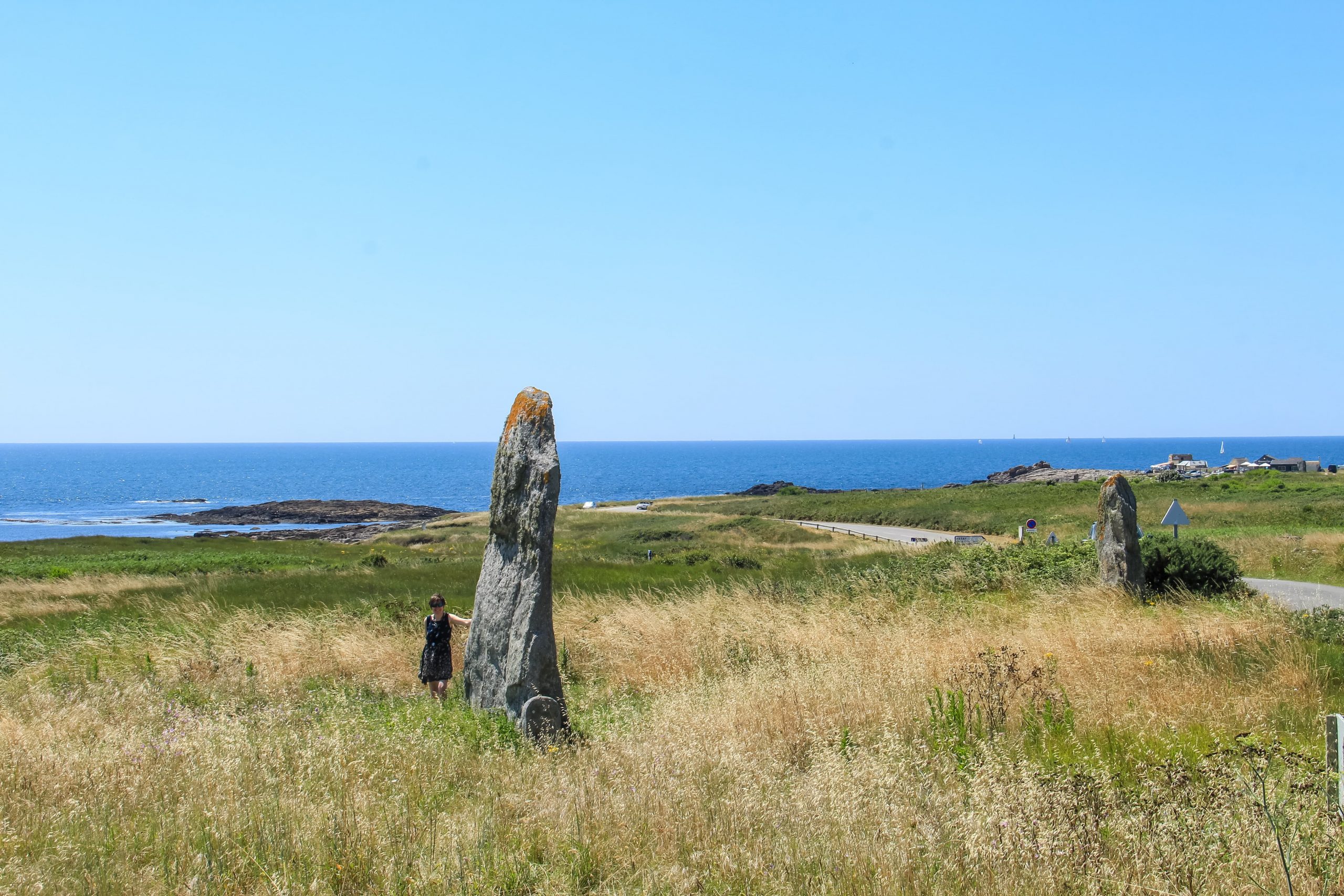
2. Cairn de Barnenez (Finistère)
Known as the ‘Great Cairn’ in Breton, this monument near the Baie de Morlaix is one of the oldest manmade structures in Europe, dating from at least 4,700 BC—predating the Great Pyramid of Egypt by 2,000 years. It is an immense structure, built of 4,000 tonnes of dry stone, containing eleven chambers reached by separate passages. Its passages are aligned to the rising and setting of the sun at significant points in the year.
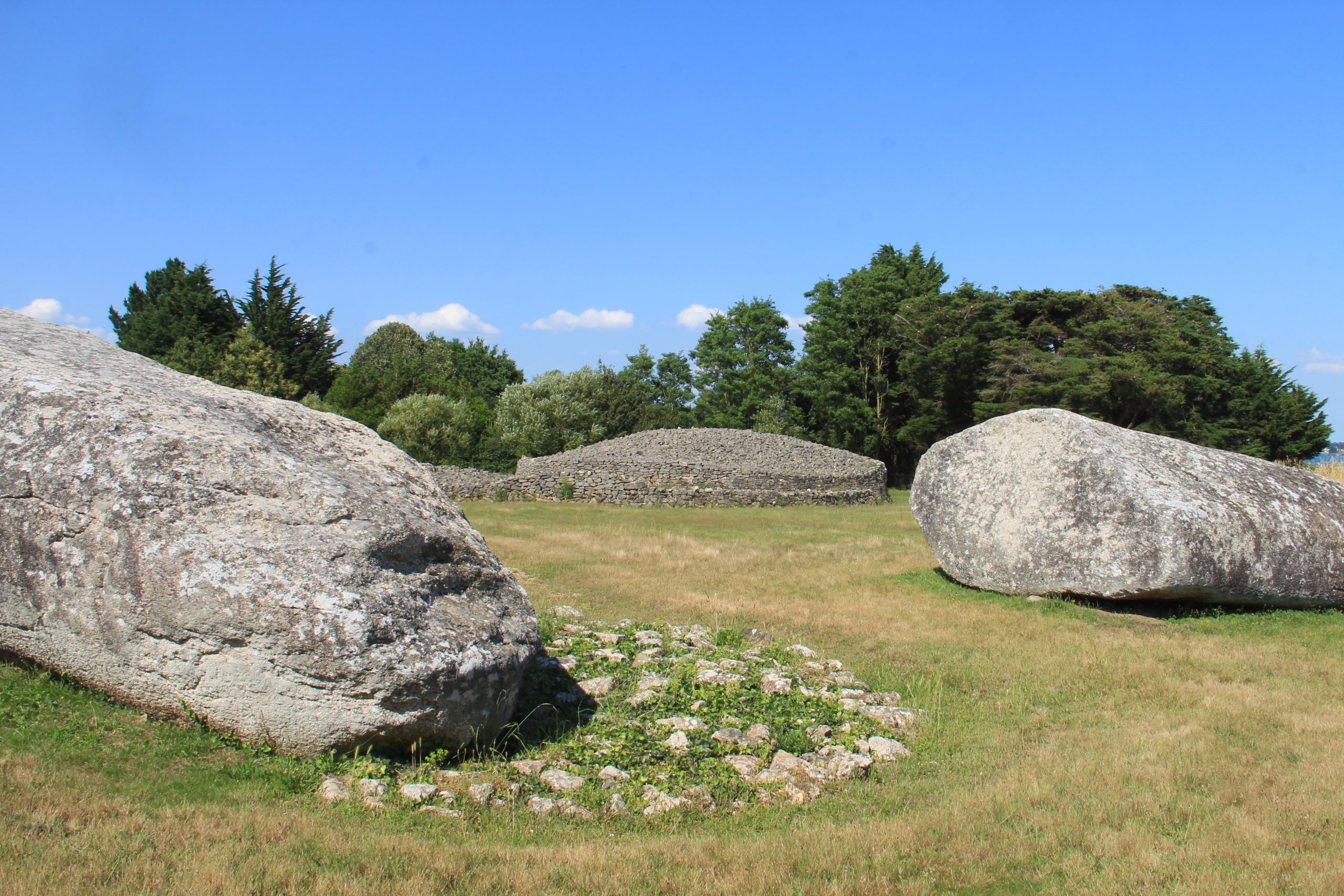
3. The Great Broken Menhir of the Groac’h (Locmariaquer, Morbihan)
The Grand Menhir Brisé d’Er Grah was once one of the tallest standing stones ever created, measuring a staggering 18.5m high before it fell and shattered into four colossal pieces. Located on a peninsula that forms the gateway to the Gulf of Morbihan, the menhir was erected approximately 7,000 years ago and is part of a complex alignment focused on the extreme points of the moon’s rise and set. This area also includes the massive Table des Marchands dolmen.
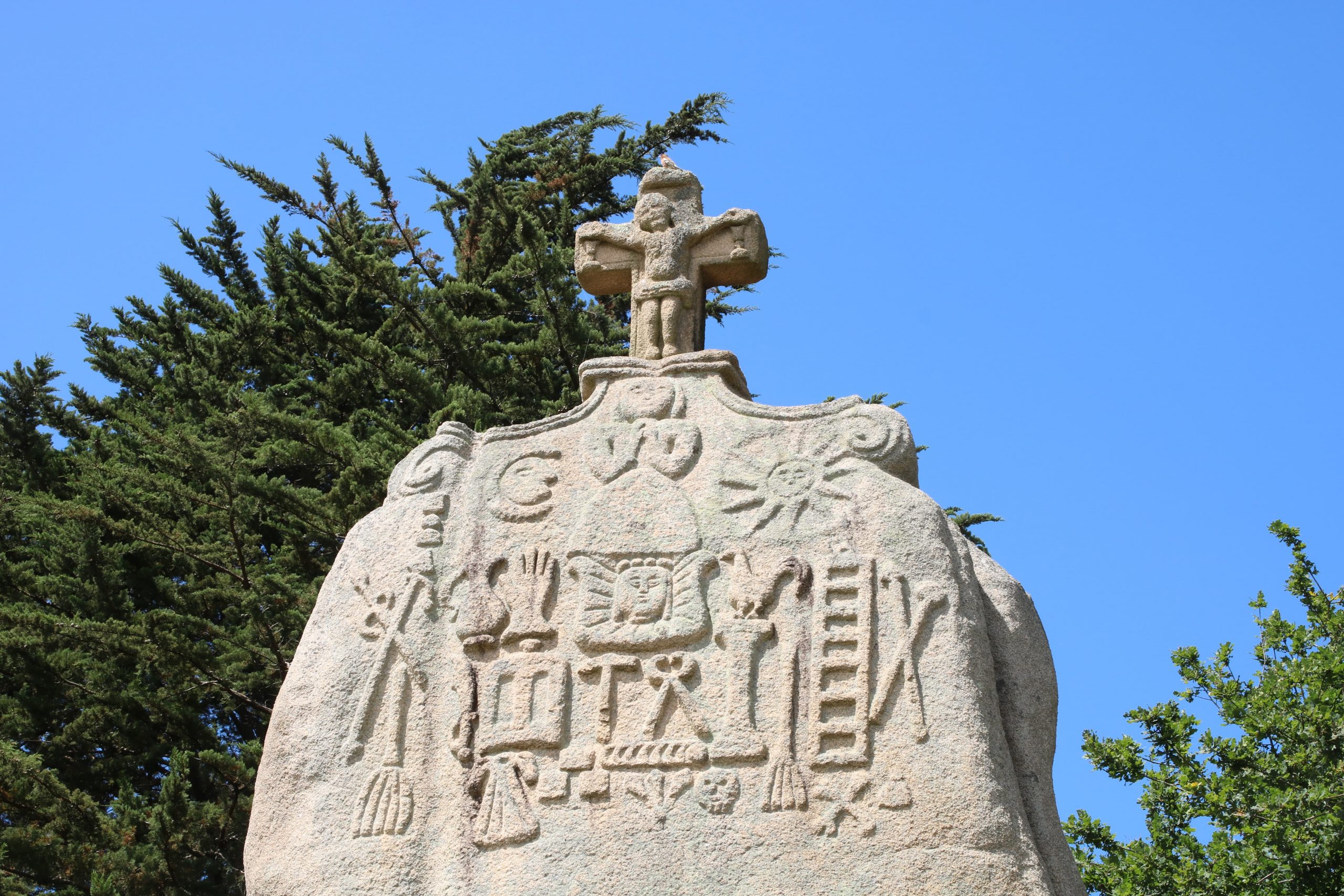
4. Menhir de Saint-Uzec (Côtes-d’Armor)
Standing 7.4m high and weighing an estimated 80 tonnes, this impressive menhir was Christianized in the 1670s. A stone crucifix was placed on top, and symbols relating to Christ’s Passion and Crucifixion were carved into one face. This transformation is a prime example of Christianized Pagan Sites in Brittany.
5. Menhirs de Monteneuf (Morbihan)
This complex, also known as the Site Mégalithique des Pierres Droites (Straight Stones), is set in woodland and features 400 standing stones made of purple schist. Many of the stones had been knocked down but were re-erected in the 1980s. Local lore suggests the woods are the abode of fairies and other elemental creatures who come to dance around the stones at night.
Discovering the megaliths of Brittany is like turning the pages of history carved directly into the landscape, connecting you to traditions that predate recorded time and enduring mystical legends.
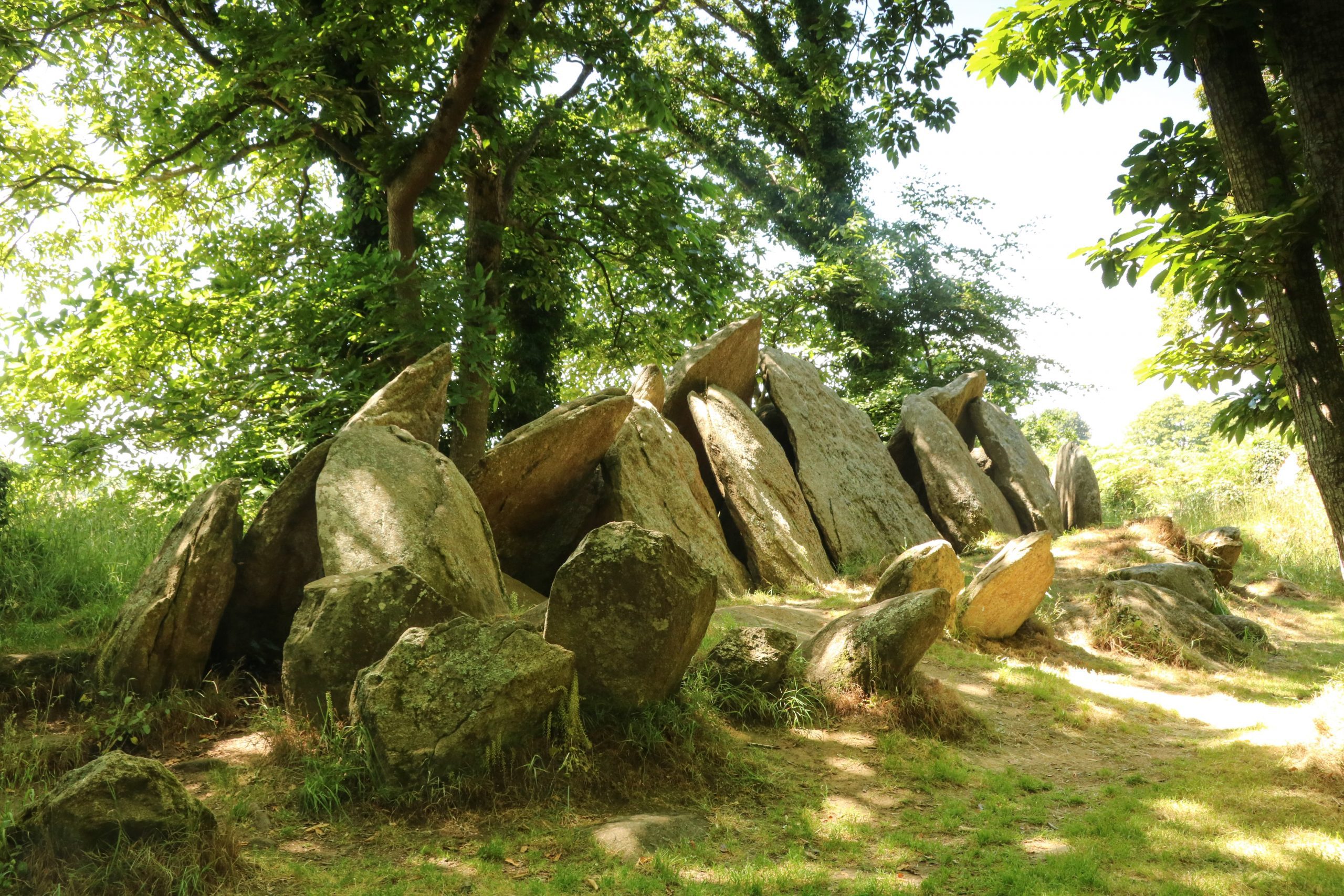
6. Ti ar C’horriged / House of Korrigans (Finistère)
This remarkable 13-meter-long megalithic grave is steeped in local folklore. The site features 18 giant, scale-like slabs leaning together, resembling a long tunnel. It is believed to be the dwelling place of the mischievous korrigans, who are the “little people” of Breton folklore. Korrigans are supernatural beings from the Otherworld, who are sometimes described as living in dolmens and tumuli, which are seen as portals to their realm.
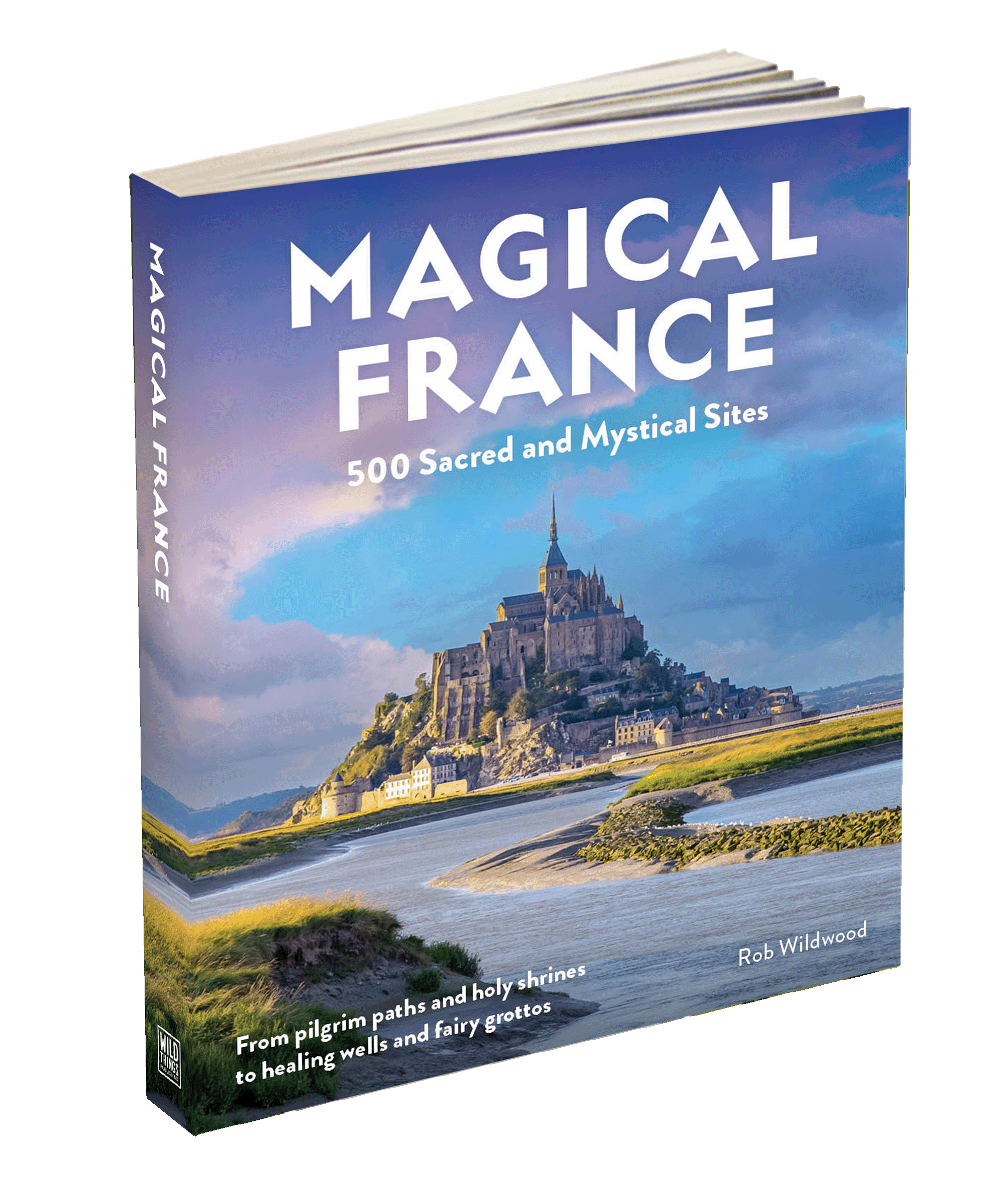
Magical France
This unique guidebook to France reveals a mythical past charted through its sacred landscape. Explore its spiritual connection to Mary Magdalene, black madonnas, pilgrimage routes, ancient goddesses and Celtic saints with this atlas of over 500 sacred sites.