
Guided by the words and wisdom of Kevin Adams, author of Wild Fishing, we explore the rights and opportunities of fly fishing in the UK.
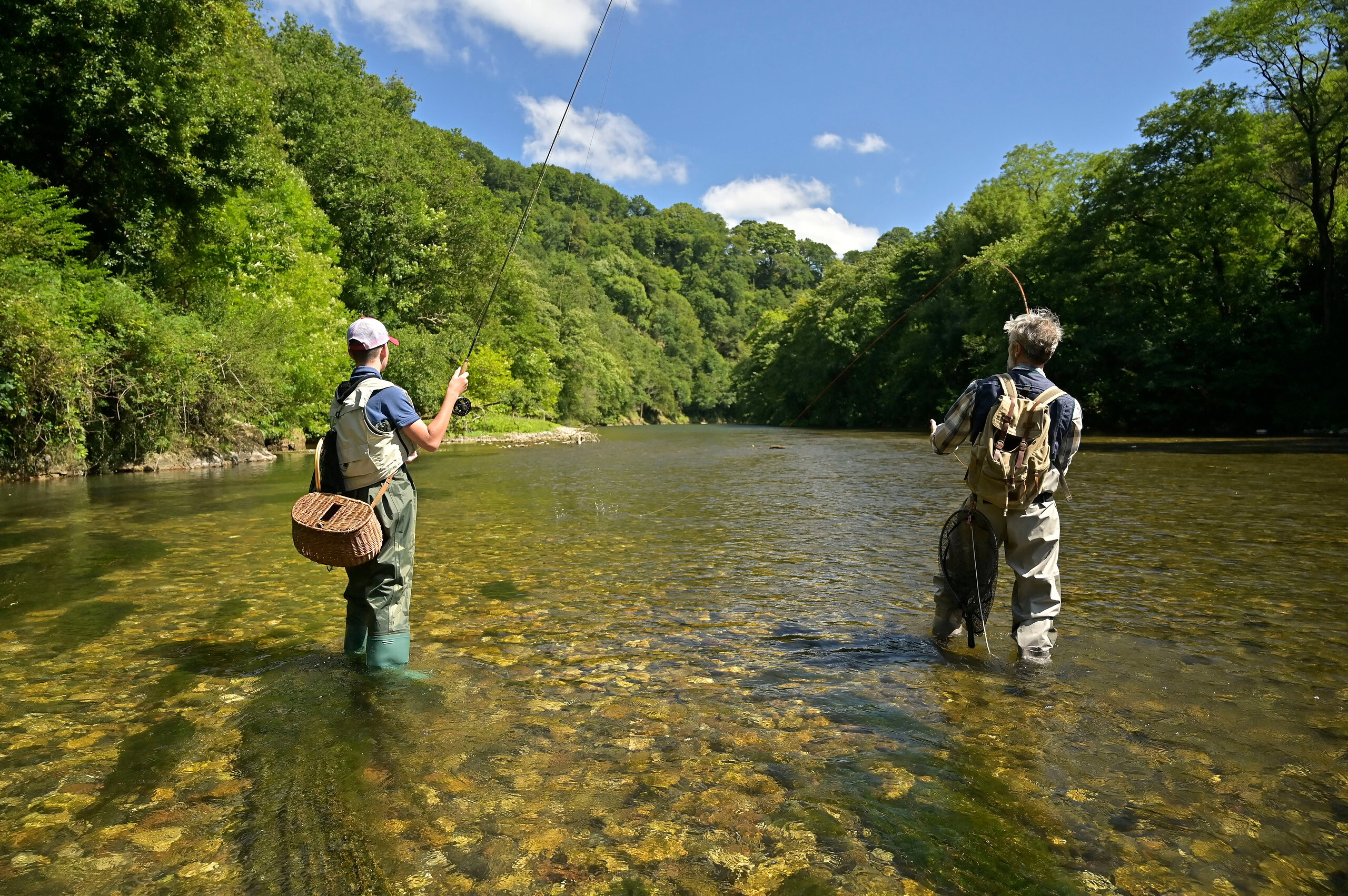
The pursuit of angling is often described not merely as catching fish, but as an immersion into life itself, connecting us deeply with nature and tradition. For modern enthusiasts, this connection is best found in “Wild Fishing” – a movement defined by seeking out native species in spectacular, remote surroundings, often at little to no cost.
In an age where riverbanks are frequently manicured and expensive fishing enclaves stocked with non-native, overgrown species, Wild Fishing offers an ecologically sound and budget-friendly alternative. It champions conservation and promotes protection.
But how do you incorporate the elegant art of fly fishing into this wild and affordable approach? The good news is that the UK offers countless opportunities for the fly fisher looking for free access and genuine adventure.

Coarse Fly Fishing: The New Frontier
Fly fishing is no longer limited to trout and salmon. In recent years, there has been a dramatic rise in anglers pivoting to coarse species to satisfy their fly fishing fix, initiating the growing movement of ‘Fly For Coarse’. This shift firmly opposes the inherent snobbery towards coarse fish and provides open-minded fly anglers with fresh techniques and varied species.
While virtually all coarse fish can be targeted, some of the most popular species to pursue with a fly rod include pike, perch, and chub. Pike, in particular, offer visually exciting sport in clear waters, attacking a fly cast past a bed of reeds with a powerful swirl and splash that shatters the tranquility of the river. Likewise, large perch present a cautious and tricky quarry, while smaller perch are known as “gluttons of the highest order,” readily attacking any fly placed before them. Chub, despite being described as the “fearfullest of fishes” by Izaak Walton, can also be caught on flies. Barbel, a beautiful fish that fights as hard as any salmon, is also fast becoming popular, responding well to a fly.
The Logistics of Free Freshwater Fly Fishing
The core principle of Wild Fishing is finding locations that “needn’t cost the earth,” often being either free or very inexpensive. However, even free fishing requires adherence to the law.
In England and Wales, if you are over 12 and fishing in freshwater (rivers, canals, ponds, lakes, public or private), you need a fishing license, though sea fishing does not require one. Critically for younger anglers, those aged 13 to 16 can fish for free, provided they register. A variety of licenses exist, costing between £7.30 for a 1-day trout/coarse license, up to £93.10 for a 12-month salmon/sea trout license, with reduced rates for seniors and free registration for juniors. You must also always seek permission from the owner or leaseholder of the water, typically via a day ticket or club membership.
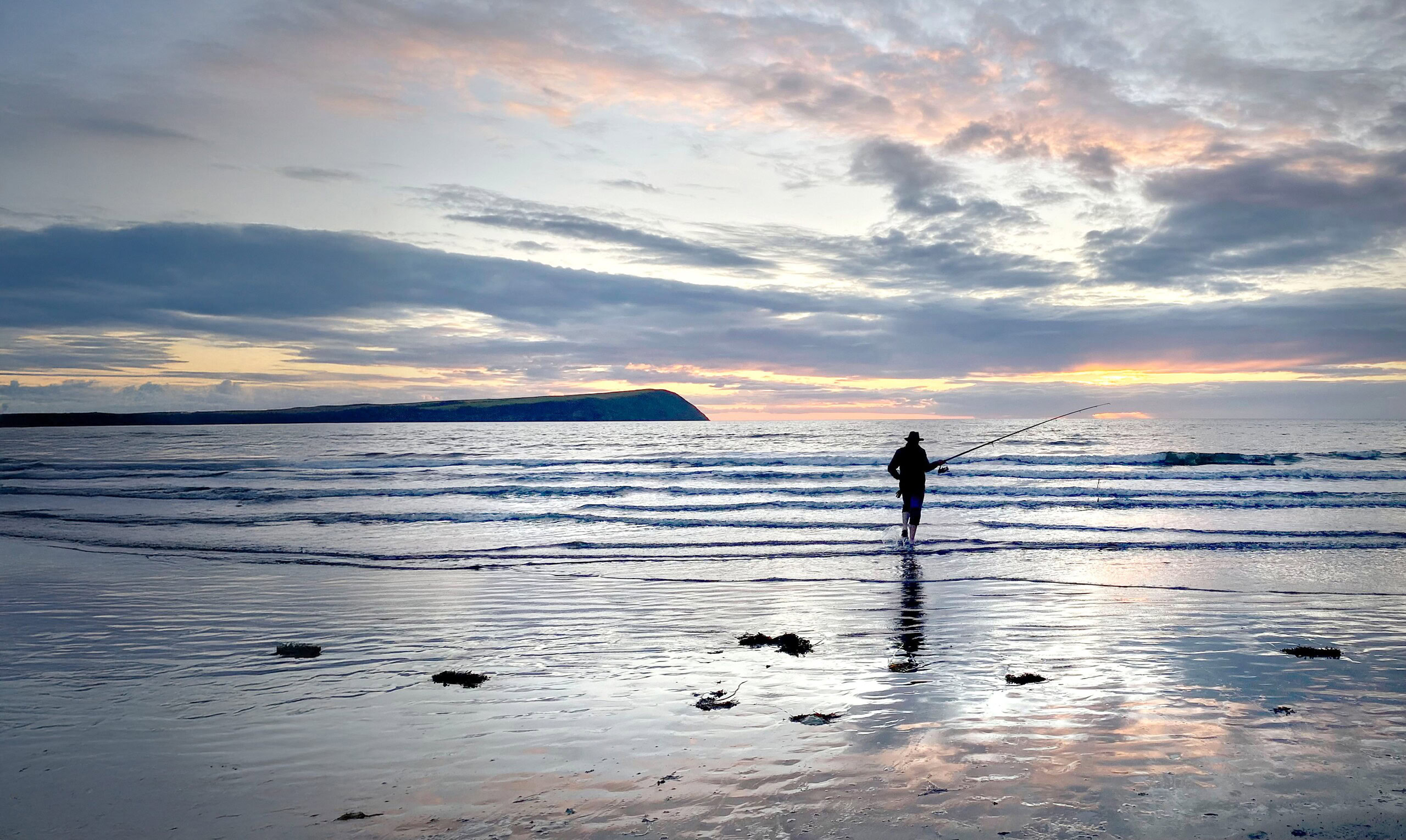
Finding Free Fly Waters:
Across the UK, many spots exist where fly fishing is permitted at no cost:
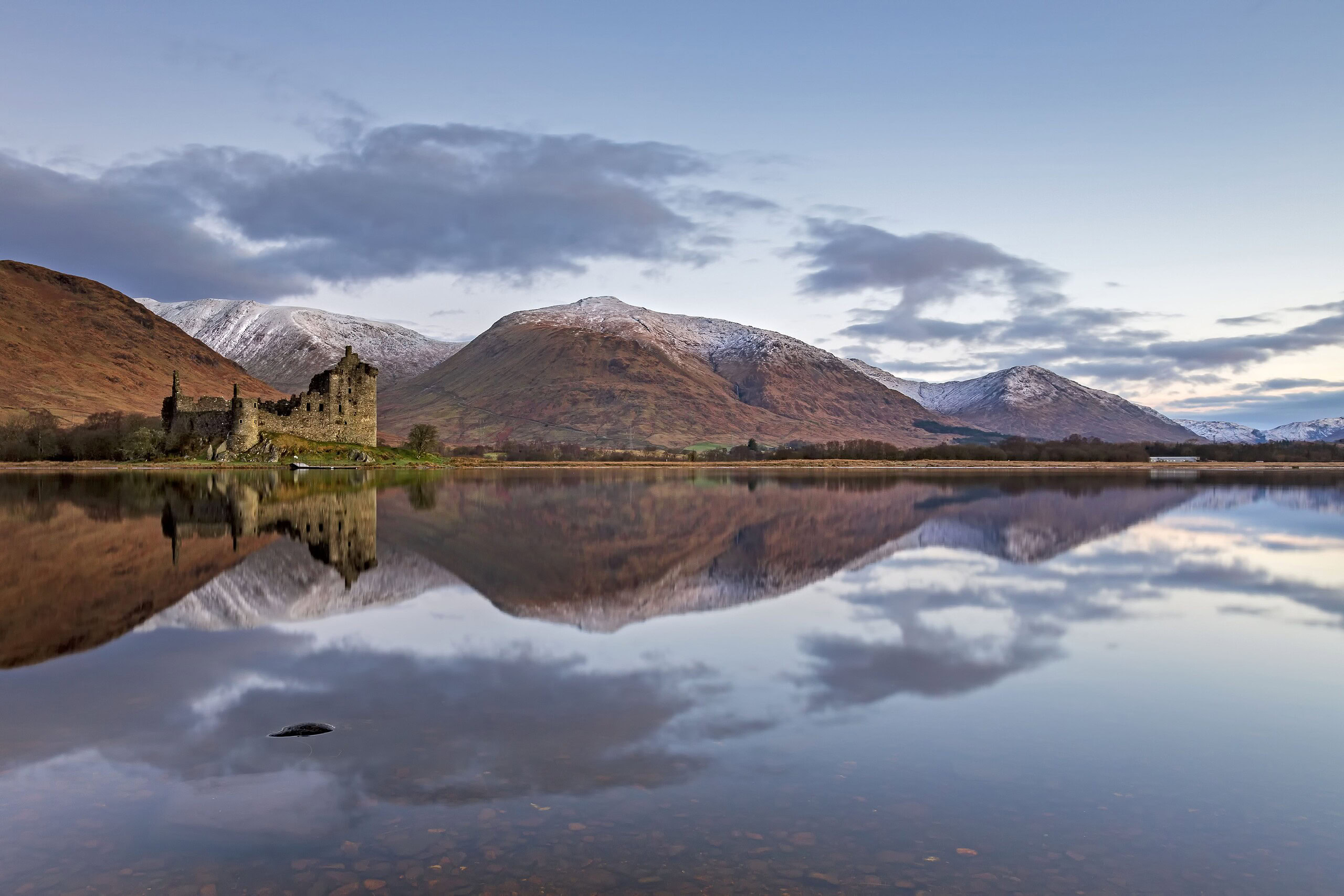
Scotland’s Lochs
Scotland is a land of untamed beauty, and most lochs are free to fish for wild brown trout or coarse fish such as pike and perch. Examples include Loch Doon, where wild brown trout average about 8oz, or Loch Ken, renowned for its pike and coarse fishing. The lochs of the Scottish Islands, like those on Orkney, are often free or managed by associations with minimal annual fees (e.g., £20 a year for the Orkney Trout Fishing Association).
Welsh Llyns:
In Wales, inland lakes (llyns) sparkle amidst rolling landscapes. Llyn Bochlwyd allows fly fishing for hard-fighting wild brown trout for just £10. On the remote uplands of the Cambrian Mountains, Llyn Bugeilyn offers genuinely wild fishing for the unique black-finned trout for £20.
English Rivers and Urban Oases:
For those closer to population centers, Urban Wild Fishing, or ‘Street Fishing,’ is attracting a younger demographic, offering unfished spots often found in town centres and typically free. Examples include:
- The River Wandle in London, a famous free fishery where Nelson once angled, offers high-quality chalk stream fishing.
- The River Tone in Taunton, Somerset, where most riverine species are present and fishing to the rear of Dunelm is a peaceful and delightful spot that is free to access.
- The River Neet in Bude, Cornwall, where you can fish completely free from the Rugby Club to the sea, targeting trout and mullet.
Essential Gear for the Wild Fly Fisher
For wild trout fishing, especially in small brooks and tumbling streams, a basic, lightweight fly rod – around a seven-foot, four-weight – is recommended, although you can go lighter. Such streams make fly fishing relatively easy because fish have only a split second to inspect your fly before it rushes past them, and the tumbling water helps mask your presence. Essential equipment includes a fly rod, fly reel (a drag reel is crucial for controlling line and playing the fish), fly line, leader, and tippet. Since virtually all coarse fish must be released by law in the UK, anglers need a landing net to safely land fish and a tool to remove hooks.
For those venturing into sea angling – which is universally free – a 9 or 10 weight rod and a large arbor reel is recommended if targeting tenacious fighters like pollock, particularly in rugged Scottish waters. When fishing the extensive coastlines, which offer opportunities for species like bass, mackerel, and pollock, you can sometimes use a light lure rod with a 10lb line, casting spinners or flies.
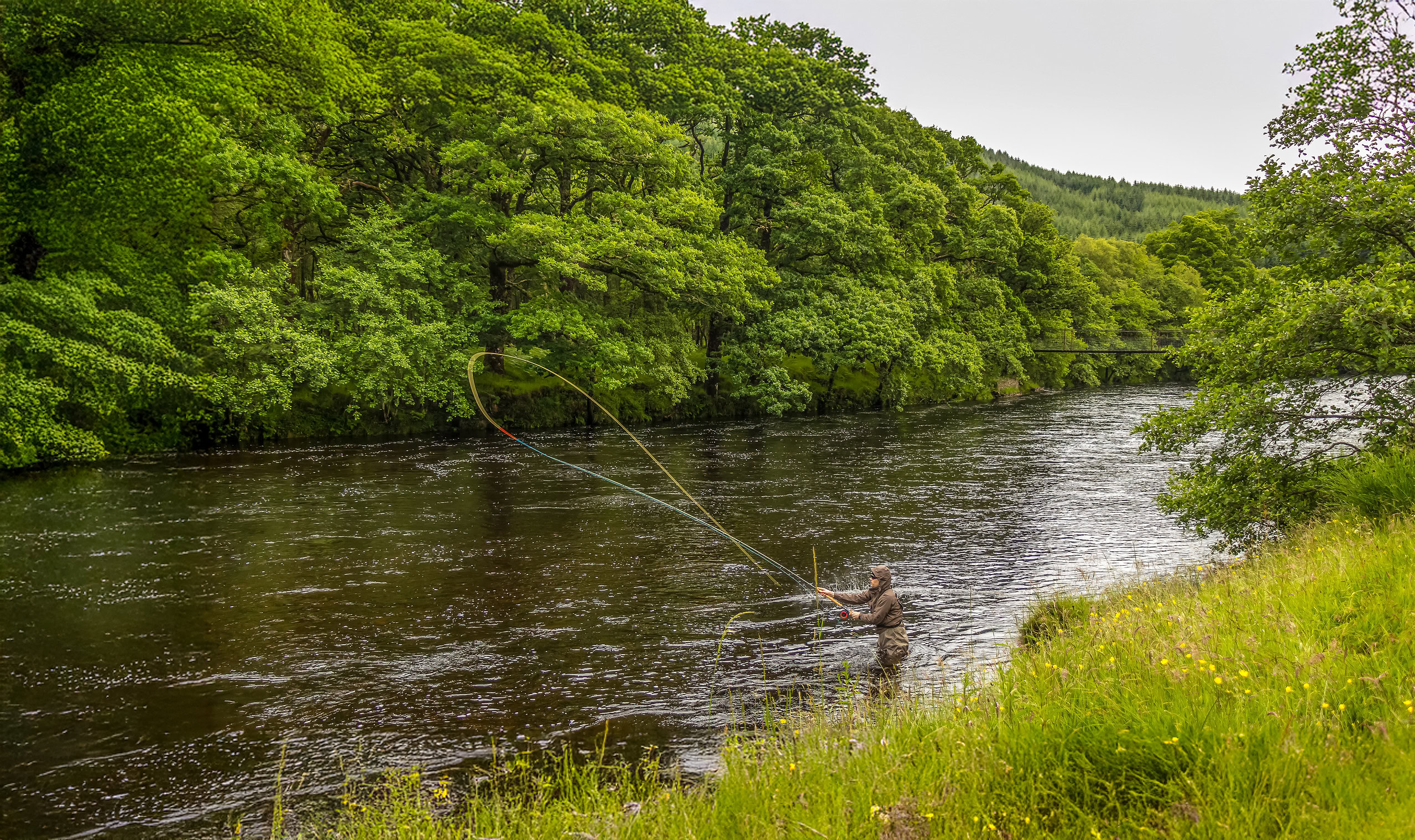
The Reward of the Wilderness Fishing
Wild Fishing is about more than just the catch; it’s about the experience. It invites the angler to truly observe the scenery, catching the flash of a kingfisher or a buzzard wheeling overhead, finding a sanctuary in nature away from the hustle and bustle. In remote locations like the Scottish Highlands, where miles of lochs are waiting to be explored, you might fish waters where trout haven’t seen a fly in years, if ever. This pursuit often involves harder work and smaller returns compared to fishing for stocked trout on manicured banks, but the resulting satisfaction is considered far greater.
Always adhere to the guiding principle of respecting nature: Study To Be Quiet. Leave no trace that you were there, retrieve any tangled line to recycle it, and be mindful not to disturb the tranquillity others are seeking.
By embracing the challenge of seeking out native species in beautiful, affordable locations, you participate in an ancient pastime while supporting modern conservation and protection. Whether you’re casting a dry fly on a moorland llyn or targeting pike with a large muddler minnow in a lowland river, the opportunities for rewarding, free fly fishing across the UK are abundant.
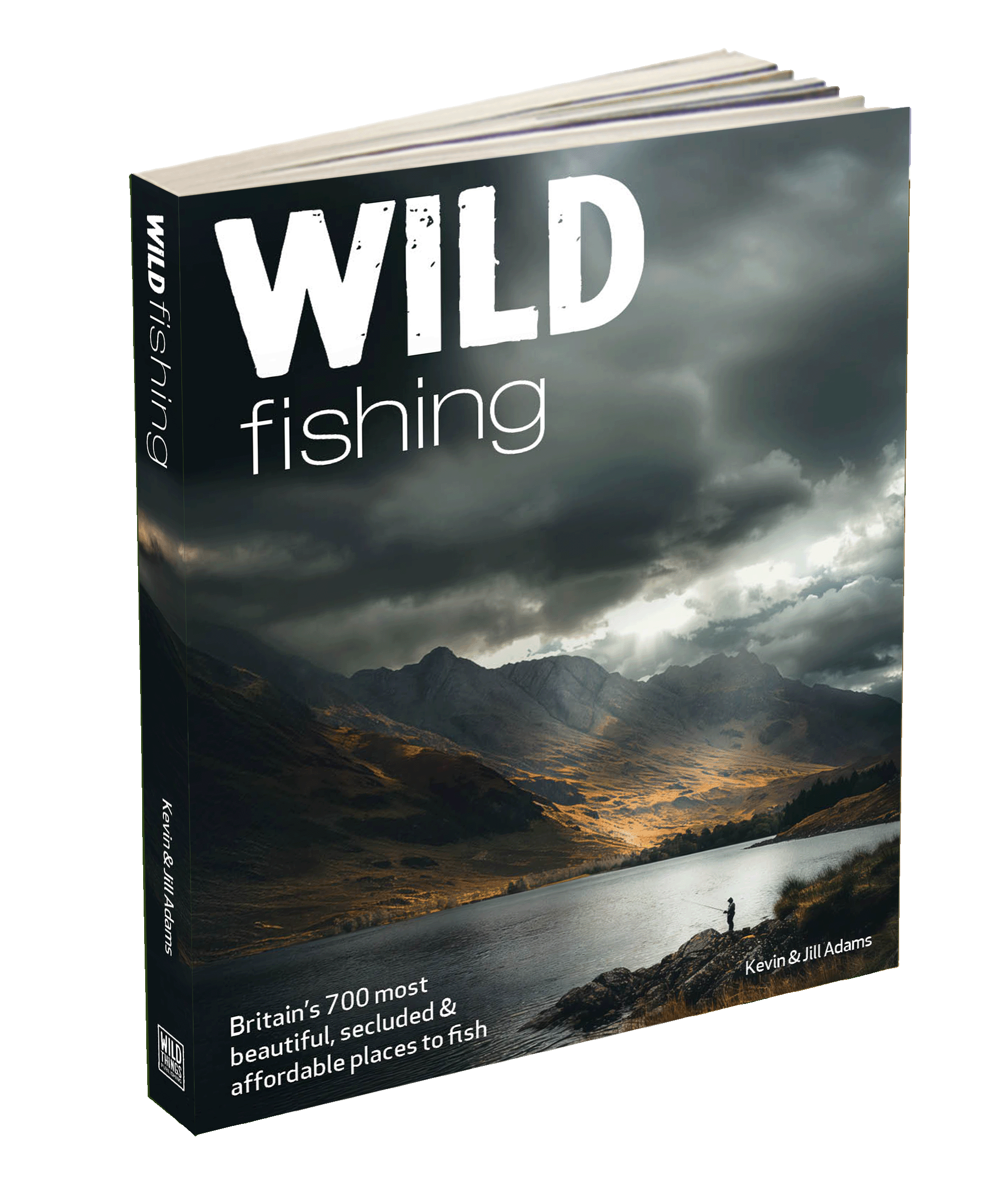
Wild Fishing Britain
Discover 700 spectacular, secluded and affordable angling destinations in Britain’s first-ever comprehensive fishing guide. From tranquil rivers to wild, rugged coastlines, immerse yourself in the thrill of fishing.