
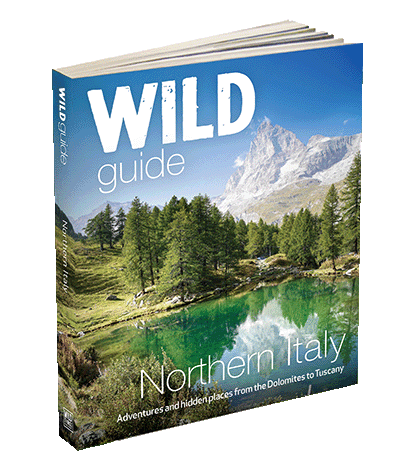
Publishes 1st April 2026 – order now for shipping in late March
By Michele Tameni
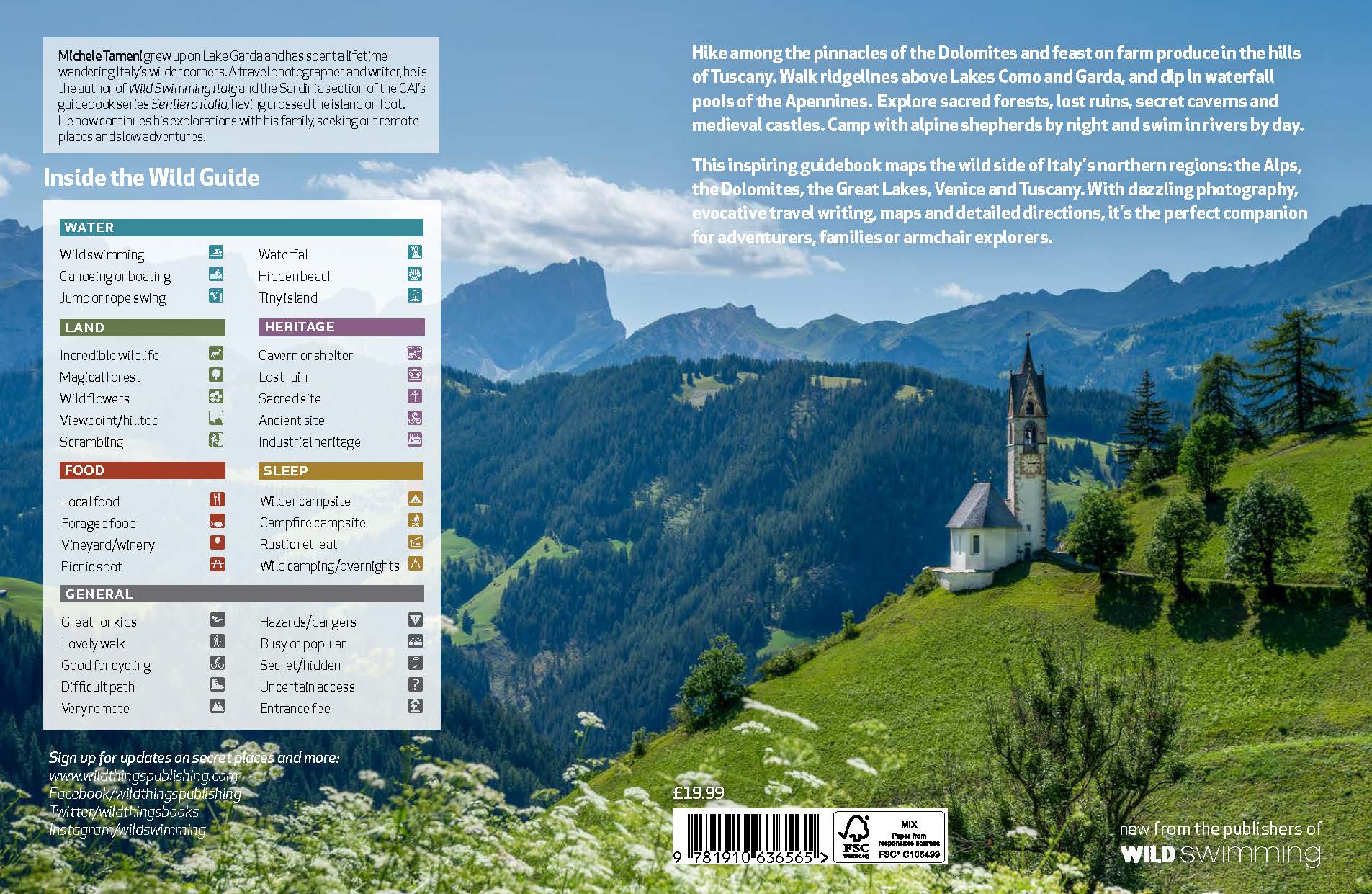
Hike among the pinnacles of the Dolomites and feast on farm produce in the hills of Tuscany. Walk ridgelines above Lakes Como and Garda, and dip in waterfall pools of the Apennines. Explore sacred forests, lost ruins, secret caverns and medieval castles. Camp with alpine shepherds by night and swim in rivers by day.
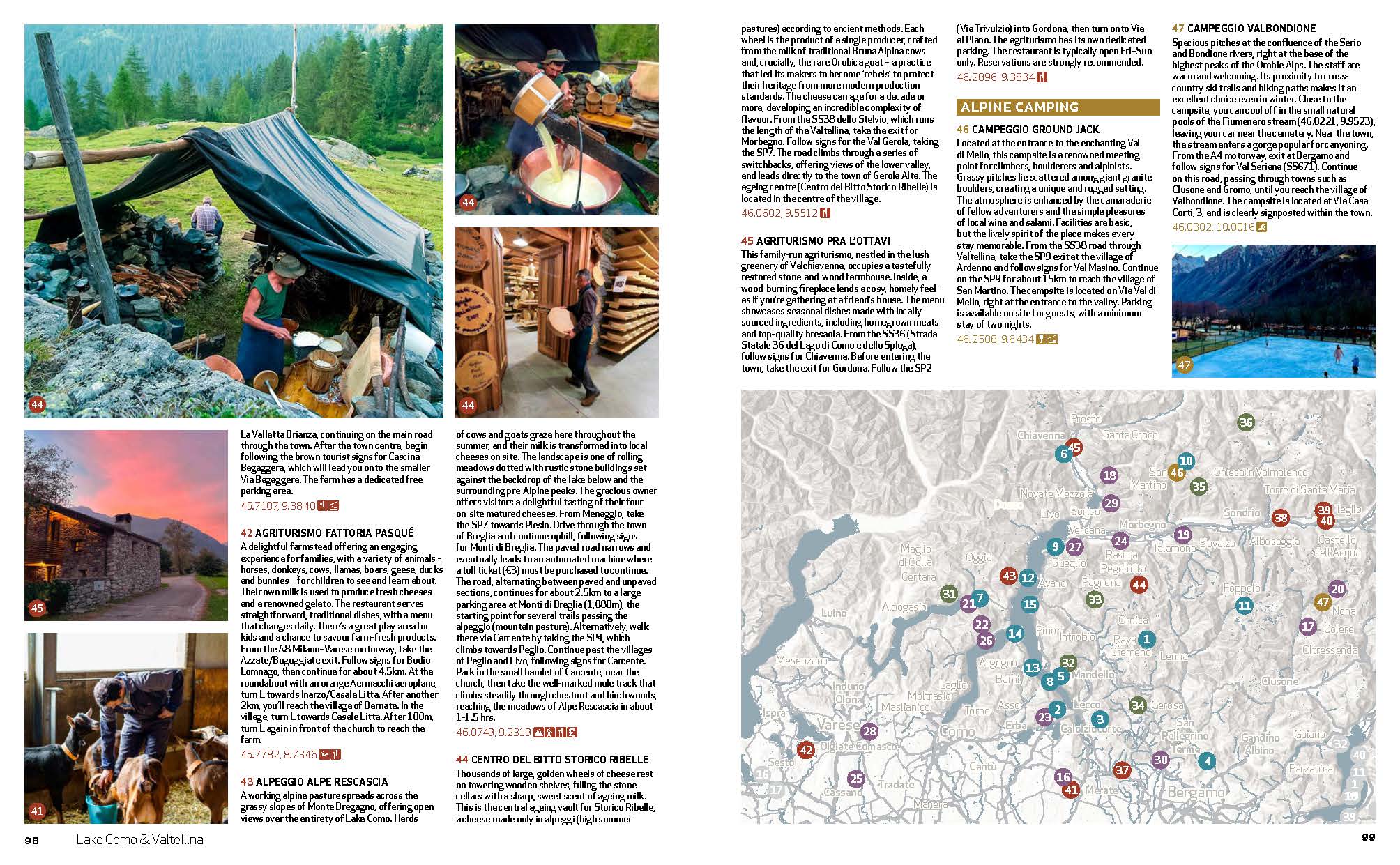
This inspiring guidebook maps the wild side of Italy’s northern regions: the Alps, the Dolomites, the Great Lakes, Venice and Tuscany. With dazzling photography, evocative travel writing, maps and detailed directions, it’s the perfect companion for adventurers, families or armchair explorers.
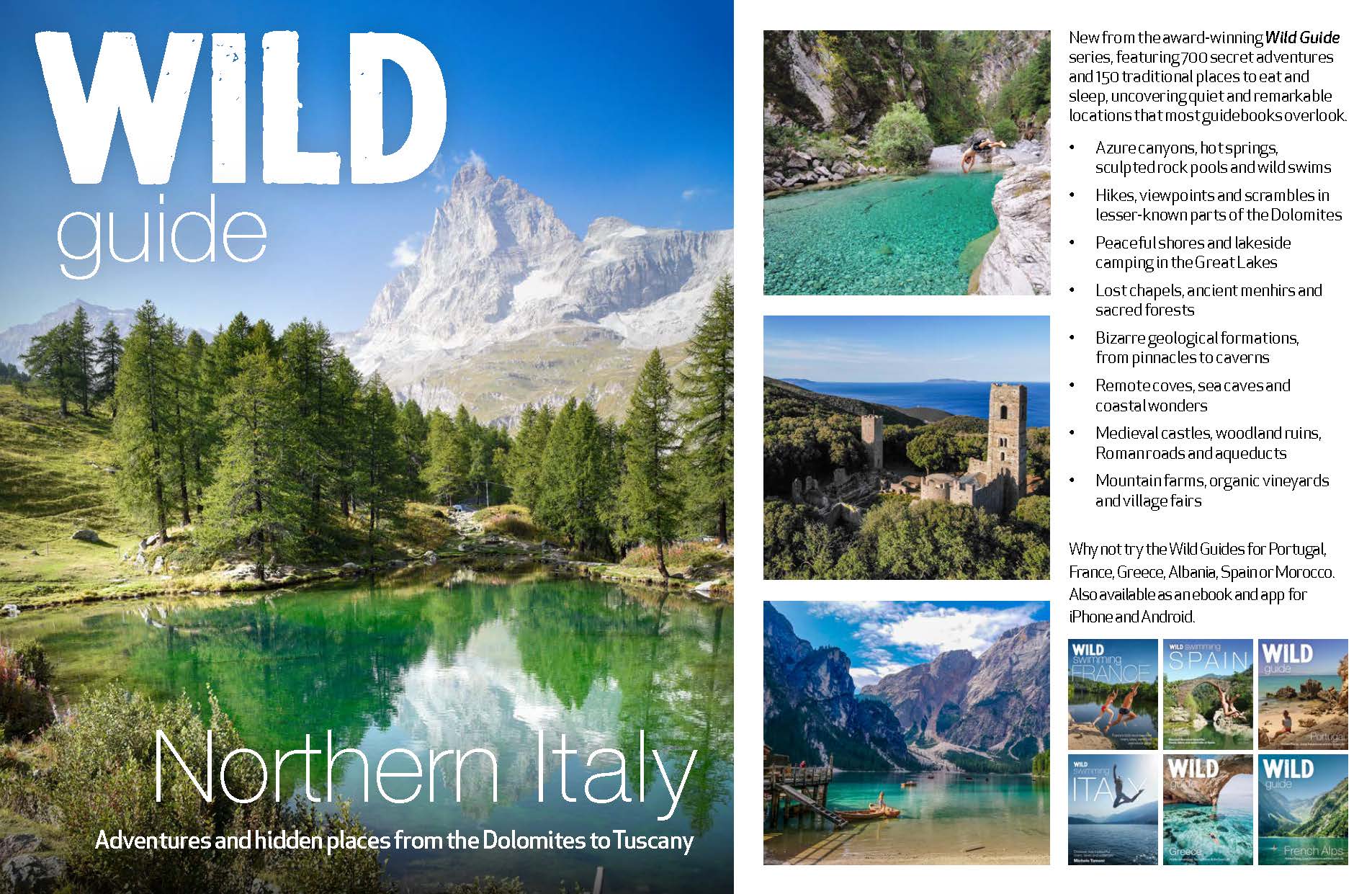
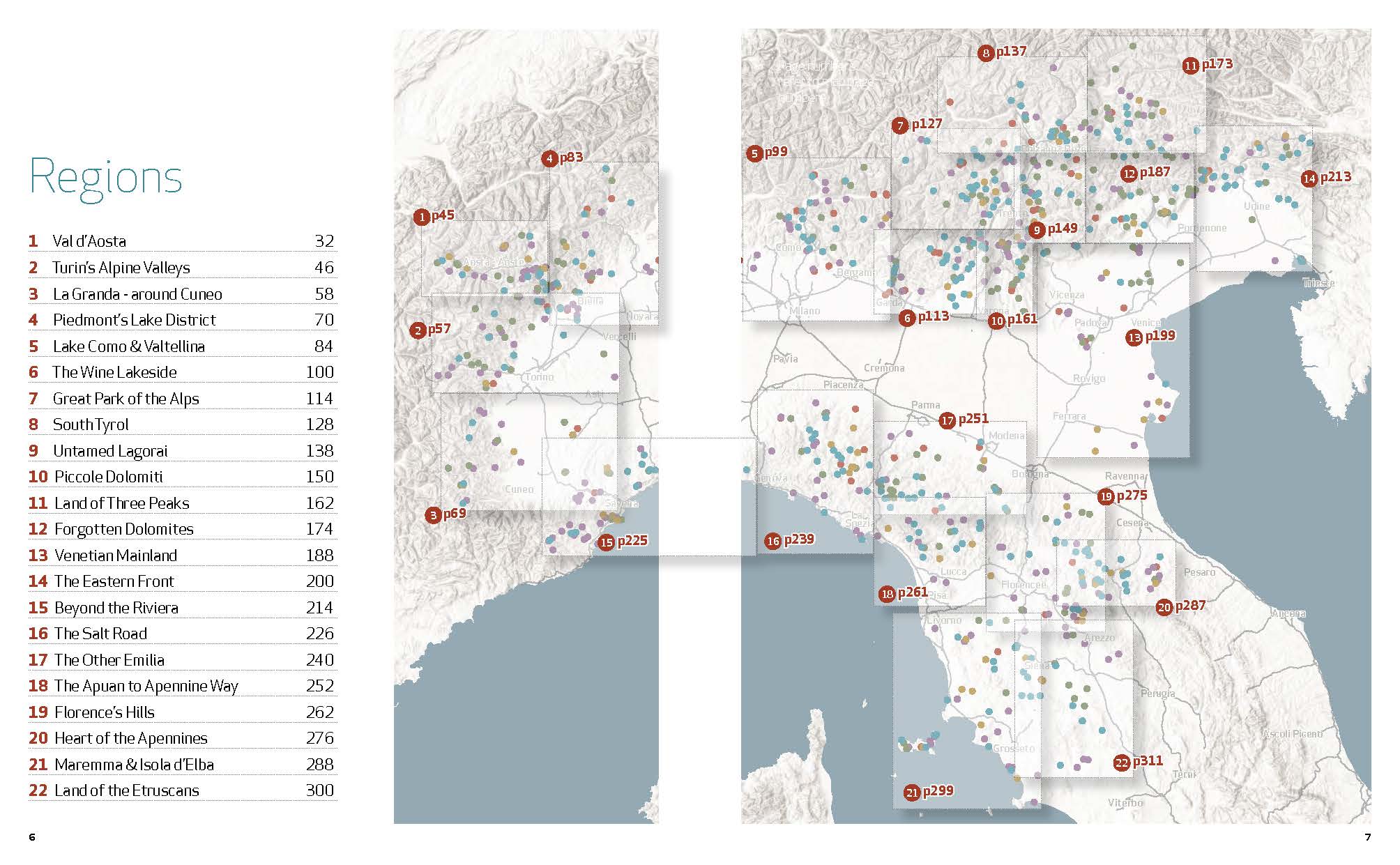
New from the award-winning Wild Guide series, featuring 700 secret adventures and 150 traditional places to eat and sleep, uncovering quiet and remarkable locations that most guidebooks overlook.
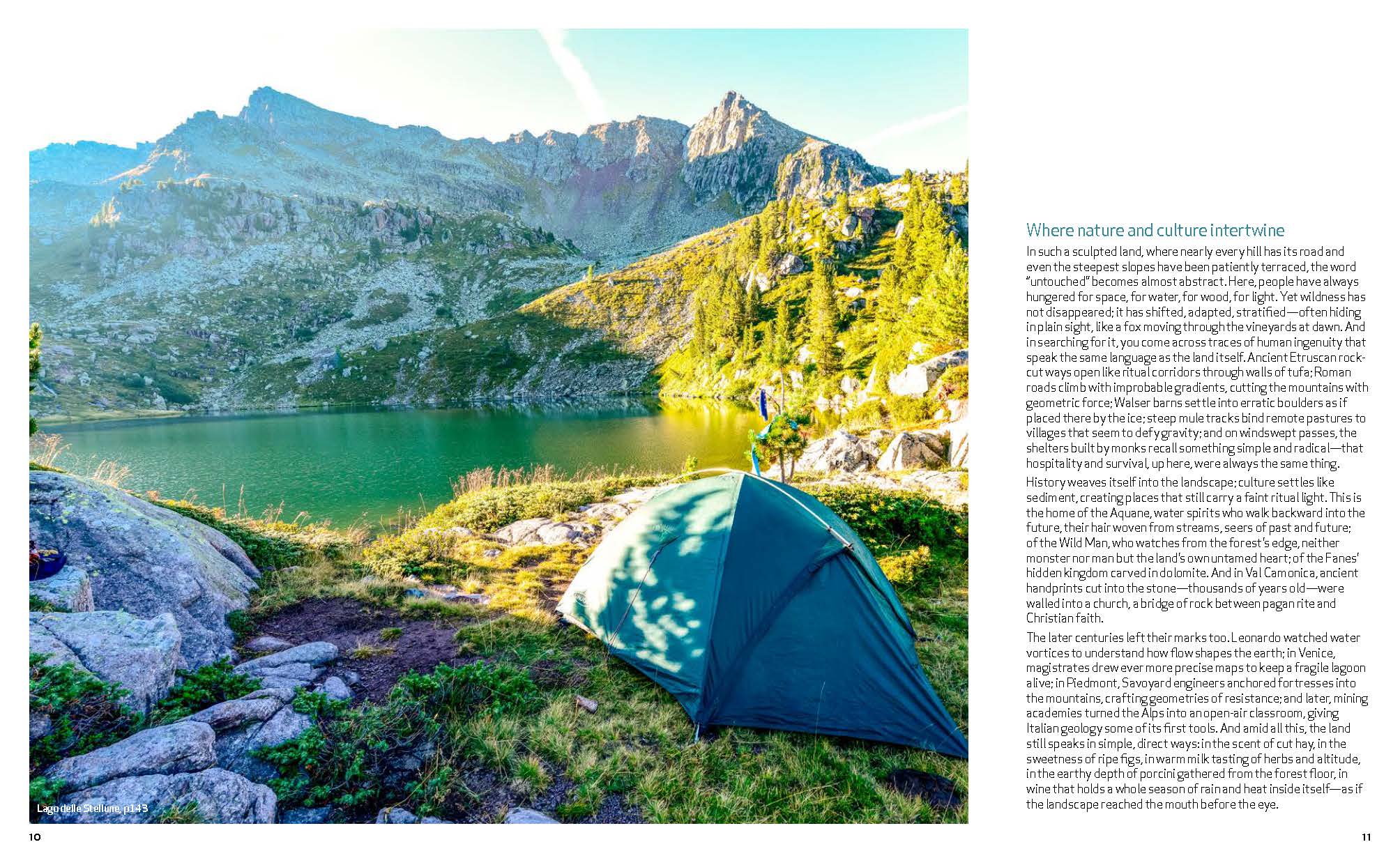
Azure canyons, hot springs, sculpted rock pools and wild swims
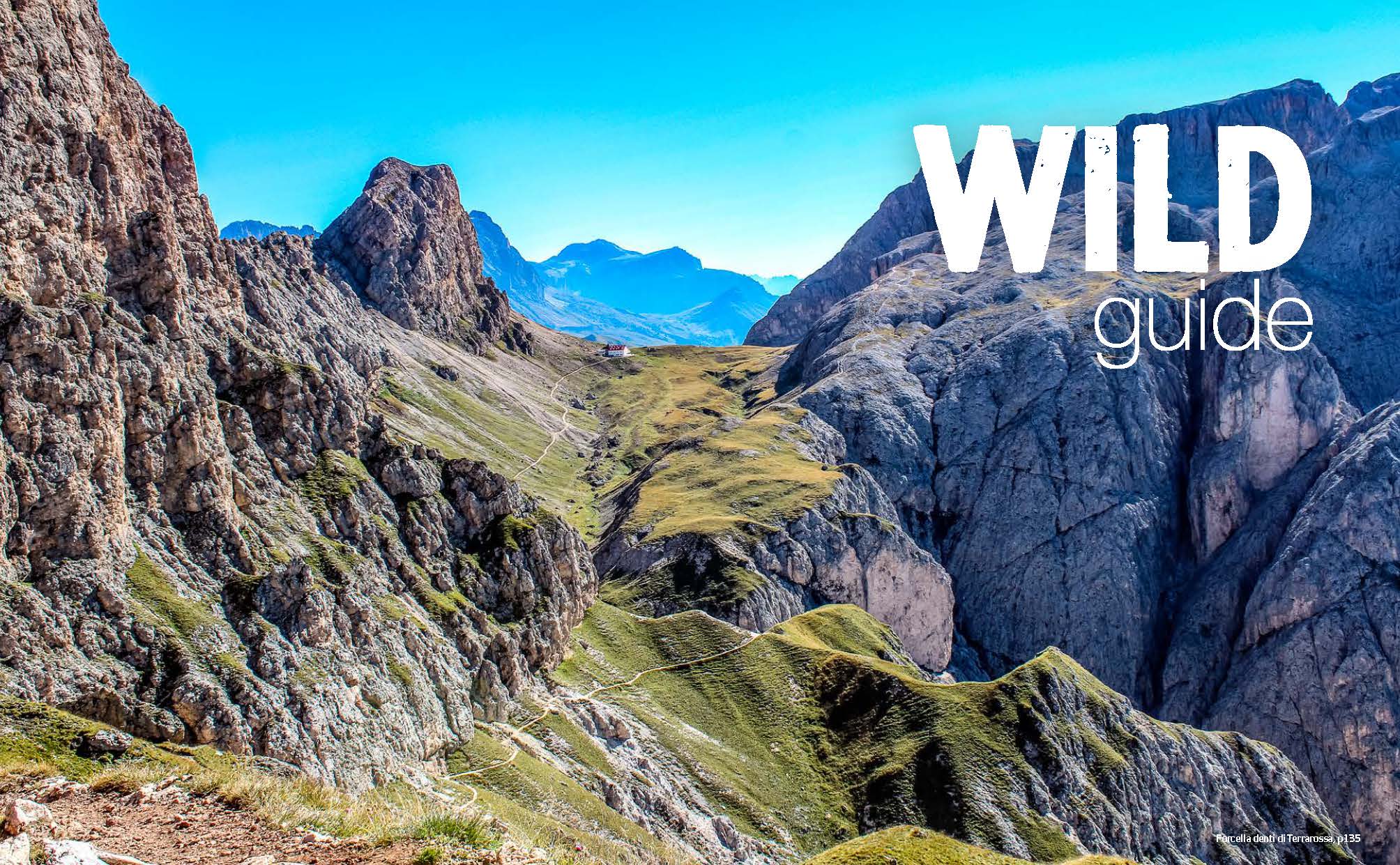
Hikes, viewpoints and scrambles in lesser-known parts of the Dolomites
Peaceful shores and lakeside camping in the Great Lakes
Lost chapels, ancient menhirs and sacred forests
Bizarre geological formations, from pinnacles to caverns
Remote coves, sea caves and coastal wonders
Medieval castles, woodland ruins, Roman roads and aqueducts
Mountain farms, organic vineyards and village fairs
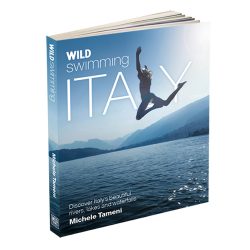
Michele Tameni grew up on Lake Garda and has spent a lifetime wandering Italy’s wilder corners. A travel photographer and writer, he is the author of Wild Swimming Italy and the Sardinia section of the CAI’s guidebook series Sentiero Italia, having crossed the island on foot. He now continues his explorations with his family, seeking out remote places and slow adventures.
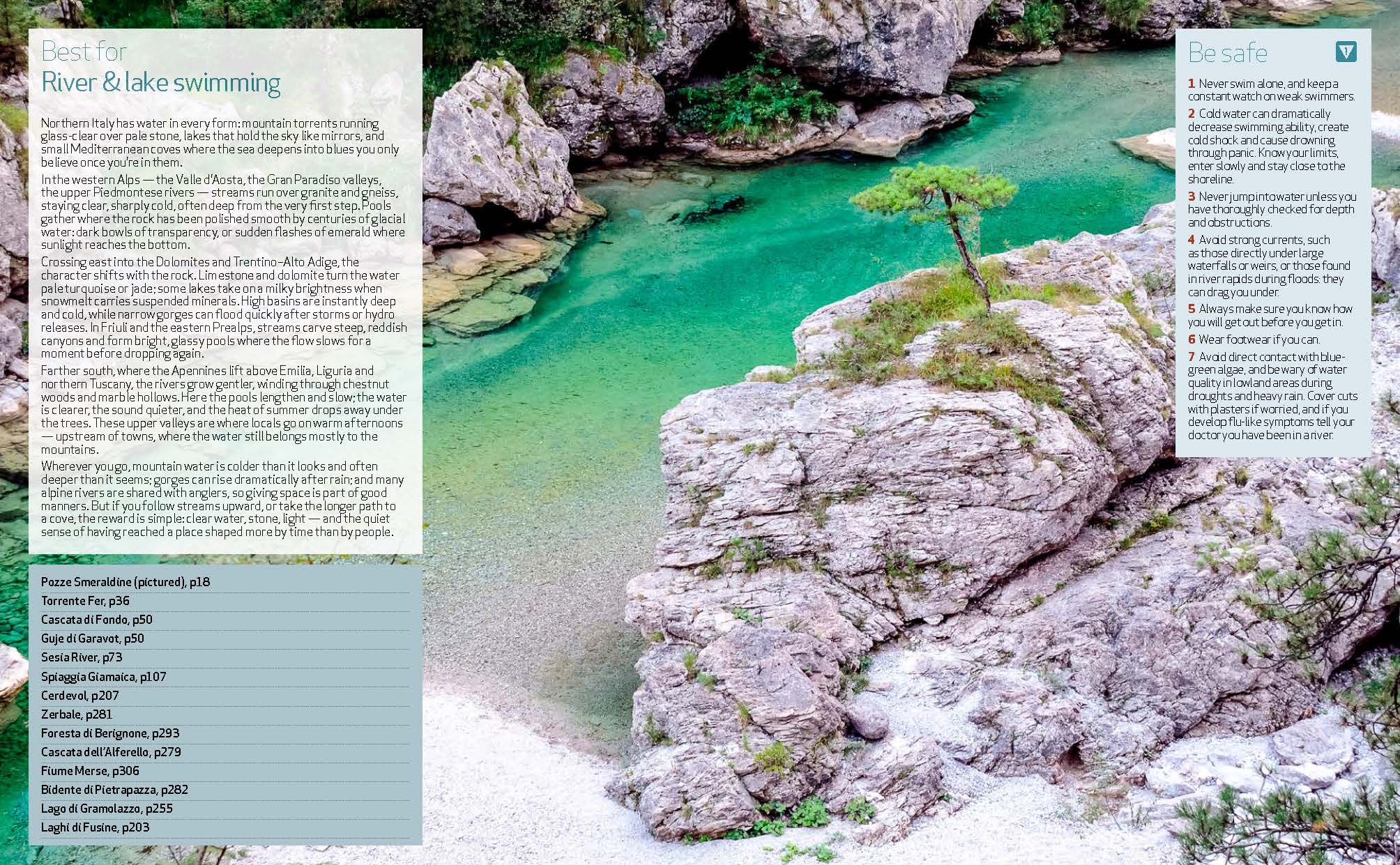
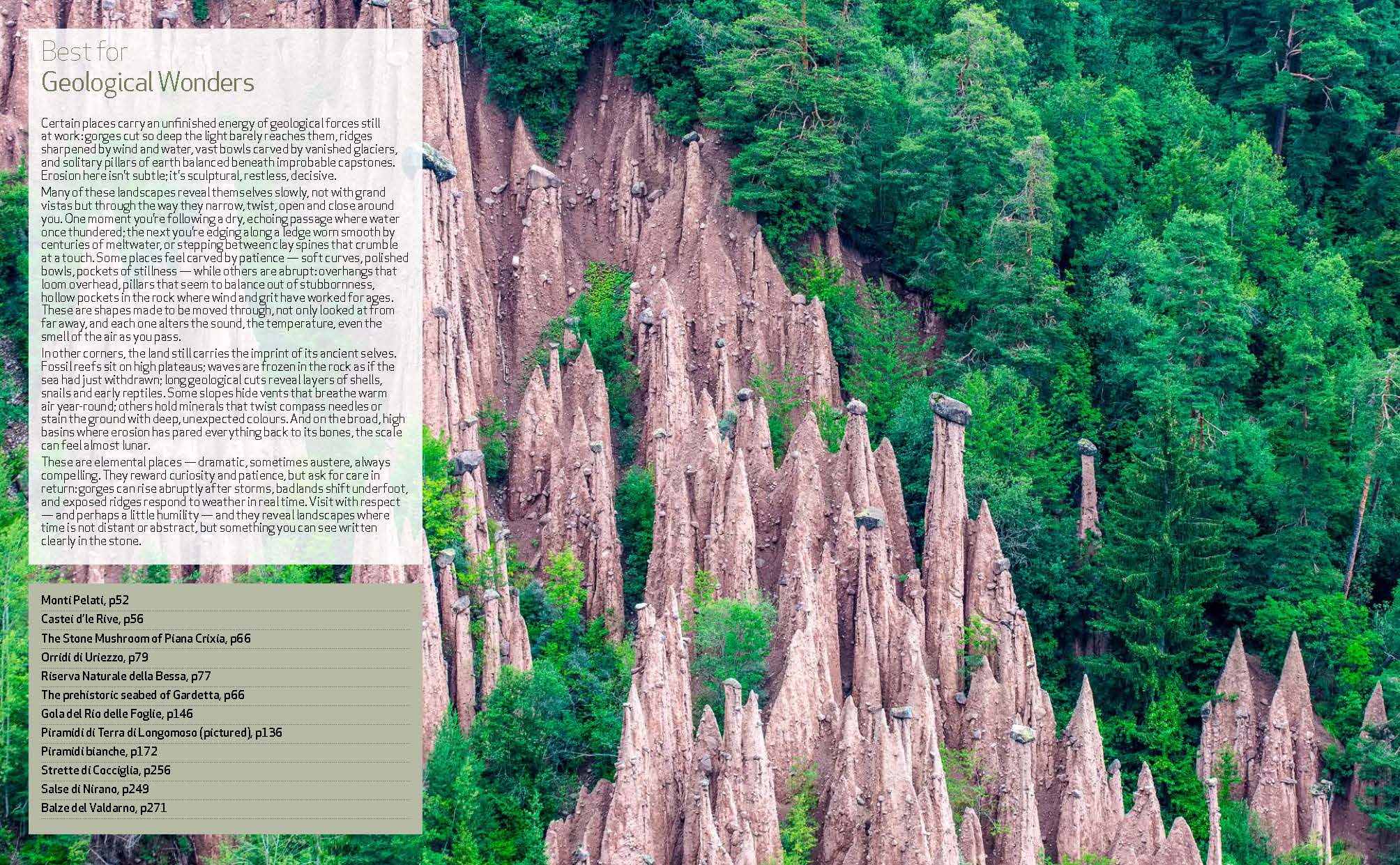
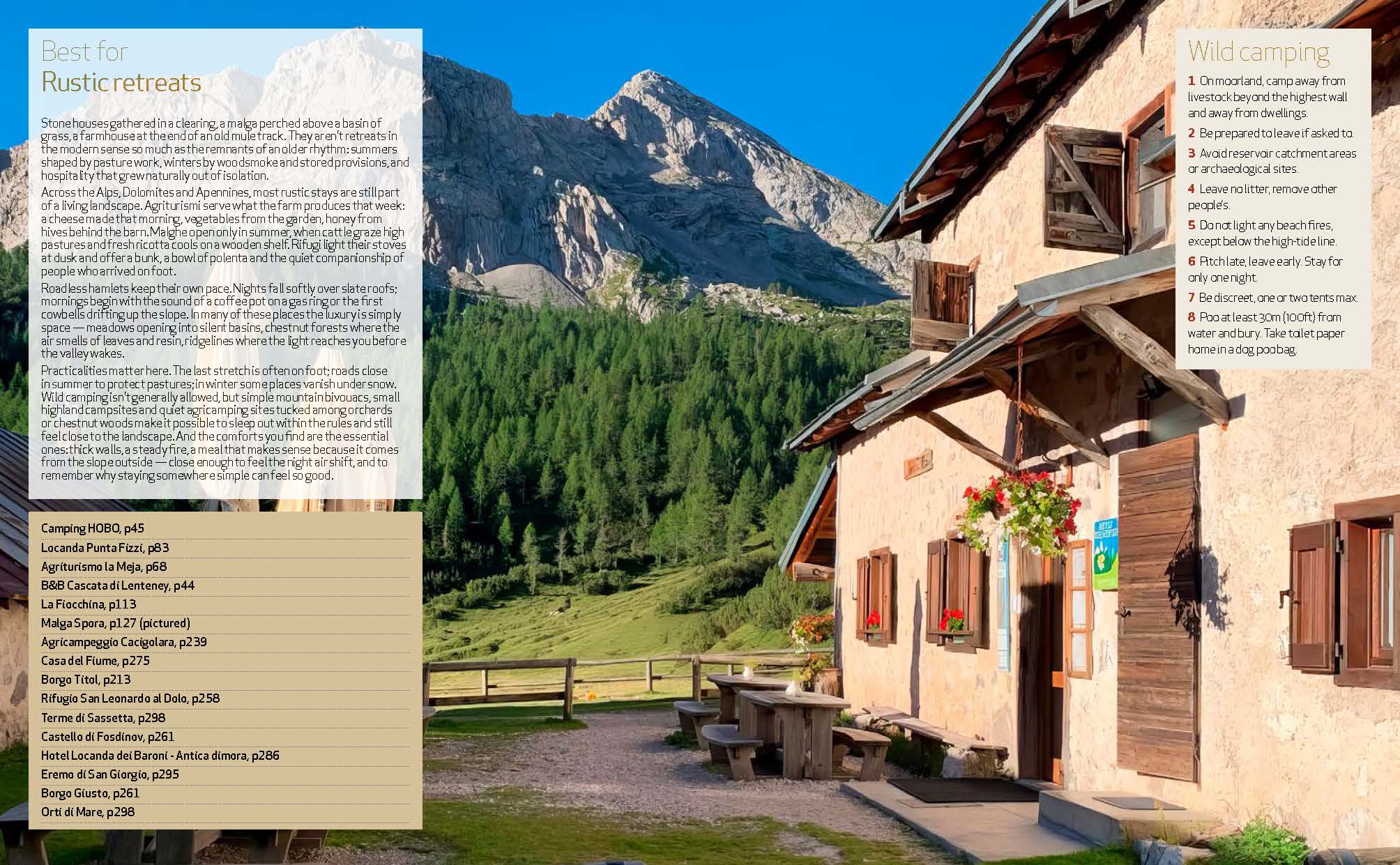
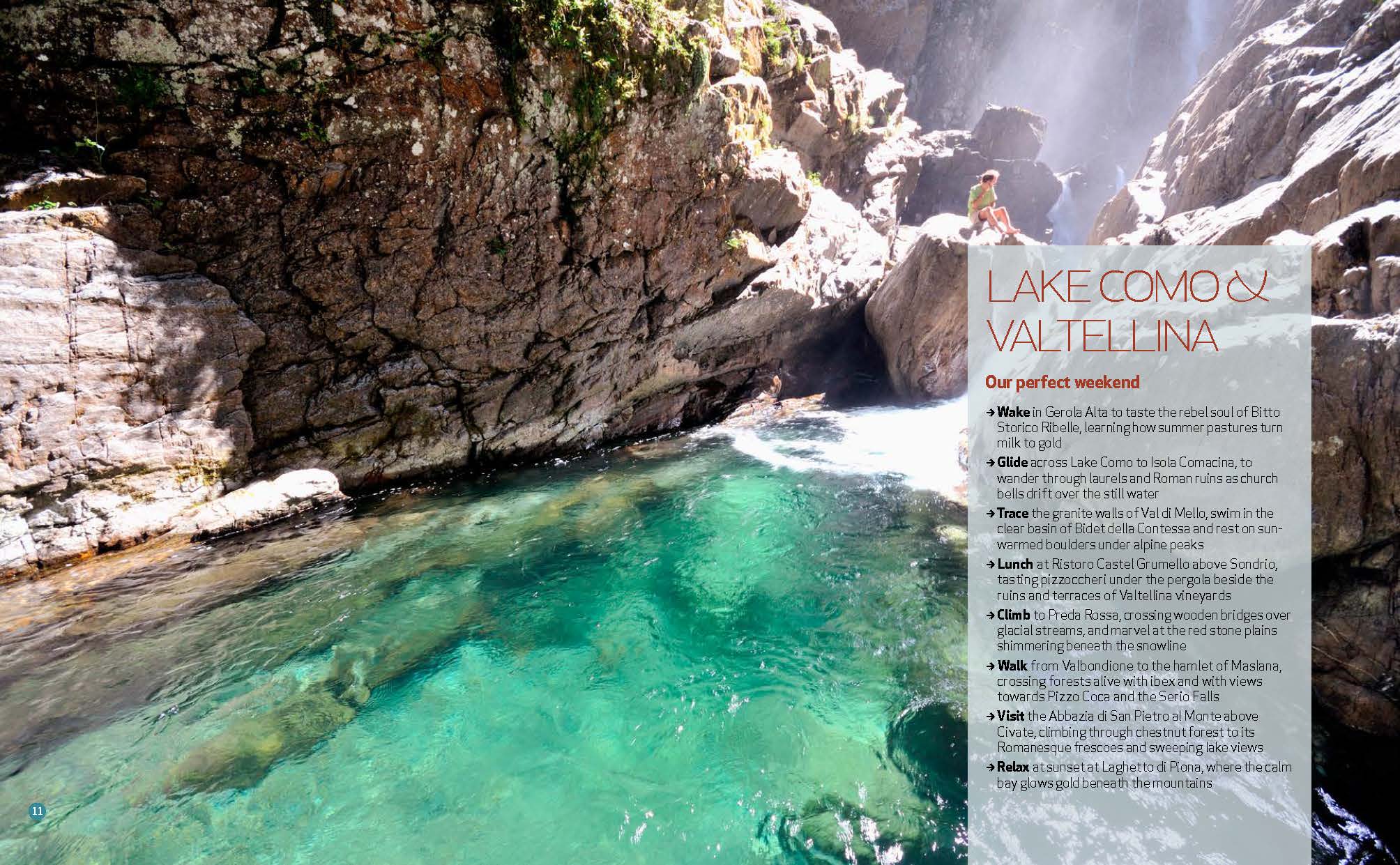
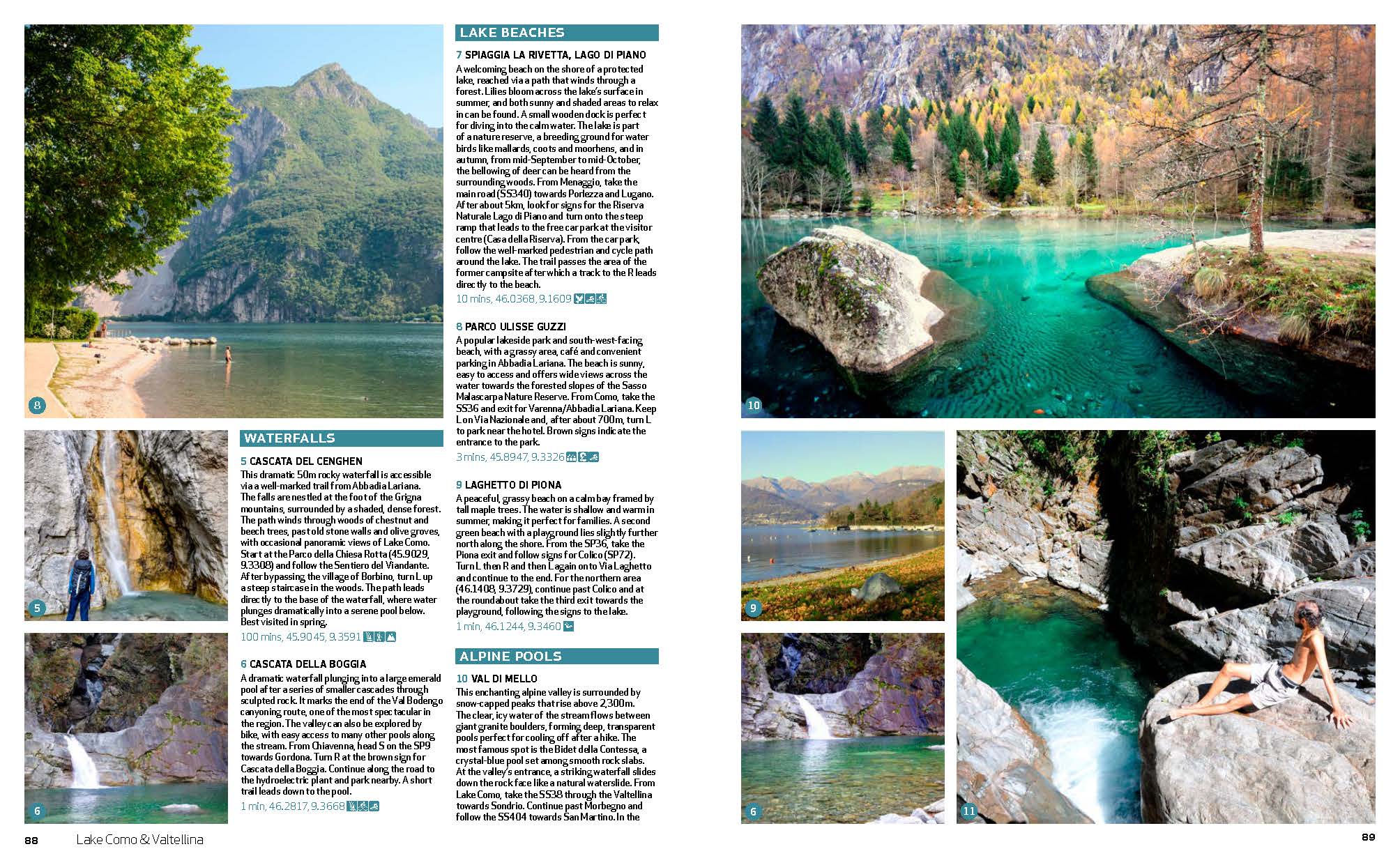
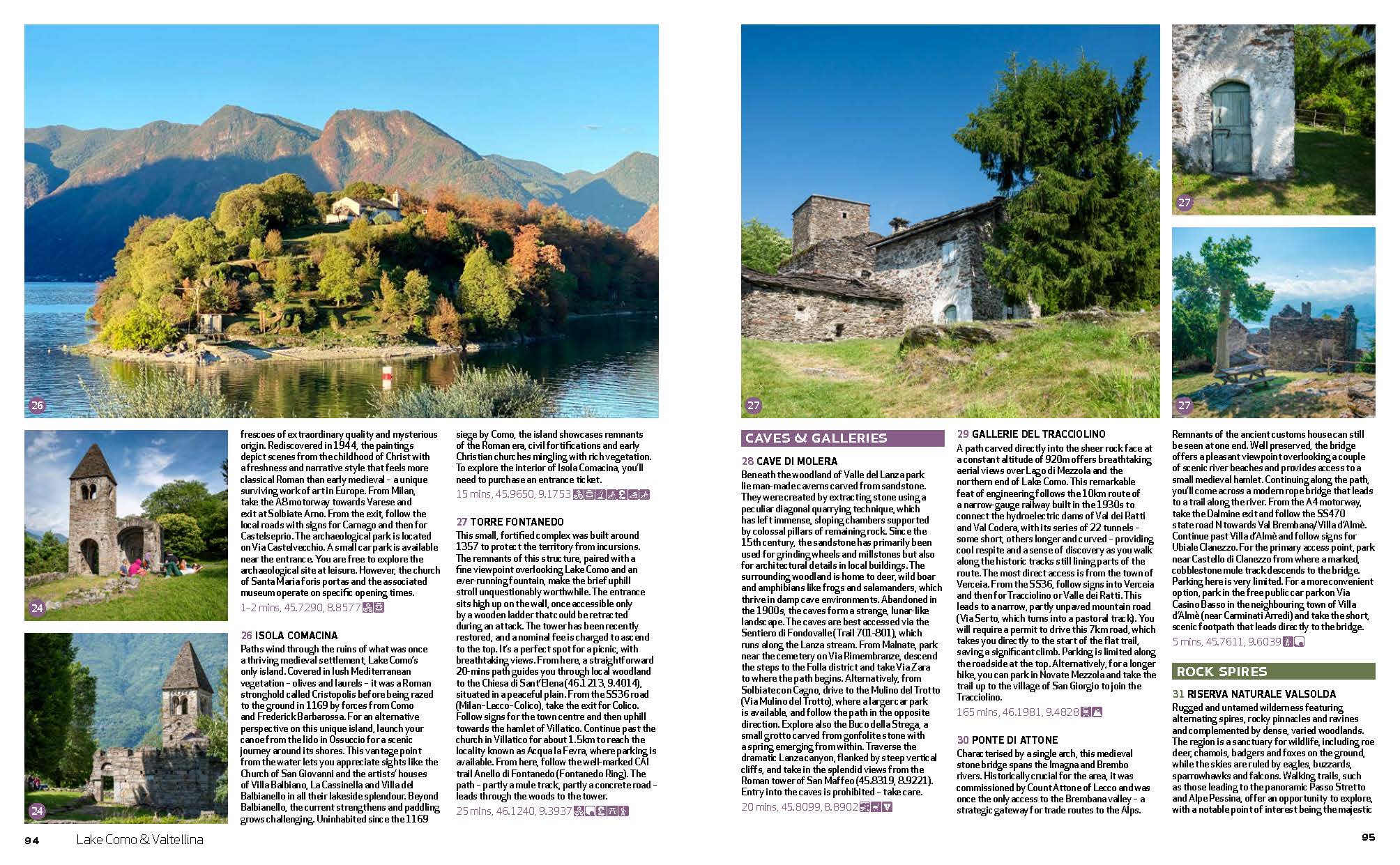
The glaciers creak along their still-cold ridges, blue-white tongues pressed against the granite of Monte Rosa and the pale spires of the Dolomites. Green-copper water rises from murmuring springs fed by old snowmelt and gathers speed as it runs into deep gorges — like the Orridi di Uriezzo, carved by water into twisting chambers of stone that hold shade, cool air and the soft rustle of leaves. In the peatlands of Alto Adige, the ground breathes like something ancient, and in the valleys the grass moves in long waves across the slopes. Sometimes it’s the sudden roar of a waterfall; at other times, a flower-strewn plateau glowing at sunset, or the scent of wild thyme crushed underfoot, promising the richness of polenta simmered with butter and mountain cheese. Seen without haste, the landscape reveals a wildness that was always there—quiet, enduring, and easy to miss. From these places—bright, rugged, unexpected—came the idea for this guide; from the pull of running water, from rocks sharp as blades, from the quiet of a pasture when the first stars begin to flicker in the blue.
A country that moves
Italy is not an easy country to describe. For more than ten years, I have walked, cycled, and swum along its northern backbone, searching for an honest way to speak about a landscape that changes shape as you cross it. Every time I thought I had found a clear line, the ground shifted—sometimes literally. Each year the Alps rise by millimetres, while the Po Delta sinks by centimetres, as if the peninsula were breathing slowly, lifting one flank and lowering the other. In Italy, nothing stands still, not even the mountains.
This is a land of collisions: an ancient African fragment thrust into Europe, folding and crumpling geological layers until the Alpine arc was born. In the heart of the Alps lie rocks that were once the floor of the Ligurian Sea; farther east, dolomite rises in pale, cathedral-like towers; to the south, the Apennines lean into the plain, a slow-moving wedge, a book still being written. Clay slopes crumble like sand through an hourglass, faults creep beneath the plain, mud volcanoes bubble from the deep. And this land in motion—restless, vast, and indifferent to us — brings back to the surface the traces of those who embraced the wilderness before us. Each summer, the glaciers release remnants of wars, lost objects, tools of shepherds and miners. Forests, advancing and retreating, reveal old paths, forgotten mule tracks, hermitages cut into the rock. And in 2018, Storm Vaia overturned whole mountainsides in a single night. It was a reminder of how quickly a landscape can change its face—and its history.
Where nature and culture intertwine
In such a sculpted land, where nearly every hill has its road and even the steepest slopes have been patiently terraced, the word “untouched” becomes almost abstract. Here, people have always hungered for space, for water, for wood, for light. Yet wildness has not disappeared; it has shifted, adapted, stratified—often hiding in plain sight, like a fox moving through the vineyards at dawn. And in searching for it, you come across traces of human ingenuity that speak the same language as the land itself. Ancient Etruscan rock-cut ways open like ritual corridors through walls of tufa; Roman roads climb with improbable gradients, cutting the mountains with geometric force; Walser barns settle into erratic boulders as if placed there by the ice; steep mule tracks bind remote pastures to villages that seem to defy gravity; and on windswept passes, the shelters built by monks recall something simple and radical—that hospitality and survival, up here, were always the same thing.
History weaves itself into the landscape; culture settles like sediment, creating places that still carry a faint ritual light. This is the home of the Aquane, water spirits who walk backward into the future, their hair woven from streams, seers of past and future; of the Wild Man, who watches from the forest’s edge, neither monster nor man but the land’s own untamed heart; of the Fanes’ hidden kingdom carved in dolomite. And in Val Camonica, ancient handprints cut into the stone—thousands of years old—were walled into a church, a bridge of rock between pagan rite and Christian faith.
The later centuries left their marks too. Leonardo watched water vortices to understand how flow shapes the earth; in Venice, magistrates drew ever more precise maps to keep a fragile lagoon alive; in Piedmont, Savoyard engineers anchored fortresses into the mountains, crafting geometries of resistance; and later, mining academies turned the Alps into an open-air classroom, giving Italian geology some of its first tools. And amid all this, the land still speaks in simple, direct ways: in the scent of cut hay, in the sweetness of ripe figs, in warm milk tasting of herbs and altitude, in the earthy depth of porcini gathered from the forest floor, in wine that holds a whole season of rain and heat inside itself—as if the landscape reached the mouth before the eye.
Maps and wonder
While this guide was taking shape, many things happened: a pandemic, a daughter, then a son; rhythms changed, nights changed, and so did my way of being outdoors. Yet the hunger for wildness never faded. It became slower, more curious, more attentive to detail: the sound of water striking rock; the scent of summer hay; late snow crunching under boots; the surprise of a shifting wind; the taste of freshly baked focaccia shared on a sun-warmed stone, or a sip of wine that seems to gather a whole landscape into itself. And sometimes the way into a place isn’t a footpath at all, but a long table at a sagra, a bowl of something cooked by volunteers who learnt the recipe from their grandparents, or a glass of local wine in the village bar with old men speaking only dialect, who still invite you into their games.
Often, all it takes is unfolding a map on the table: a contour line, a forgotten name, a narrow valley you don’t remember even passing. And suddenly there is another place to reach—another excuse to step outside.
Every place in this book implies at least ten more; the maps you will find here are invitations to explore. Landscapes are not lists to be ticked off, but spaces where you can find your own pace, your own light, your own way of being outdoors—and that stubborn feeling of entering something older and larger than yourself, from which you always leave wanting to return.
An invitation
I hope this guide accompanies you in that way: by following an intuition, a shadow, a change of wind; by letting the landscape surprise you, as it surprised me; by giving you just enough courage to take the steeper path, to descend into a darker gorge, to stop and listen to the water, or catch the scent of ripening berries.
In the end, this is what travel is for: to let ourselves be changed, through colours, flavours and light. Whether it’s a turquoise stream in a ravine, a high pasture alive with cowbells, or the stillness of a valley at dawn, I hope you will find here your own reason to set out—and to come back with a story worth telling.
Michele Tameni
[email protected]

Reviews
There are no reviews yet.