
Publishes 15th March 2026 – order now
By Graeme Bickerdike
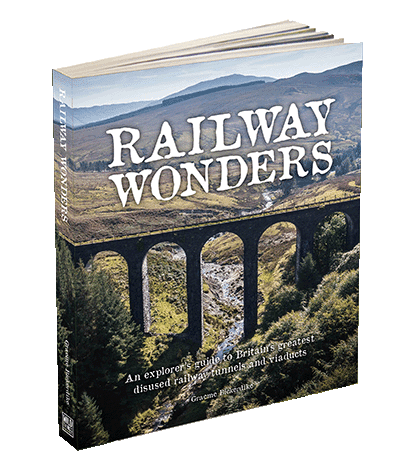
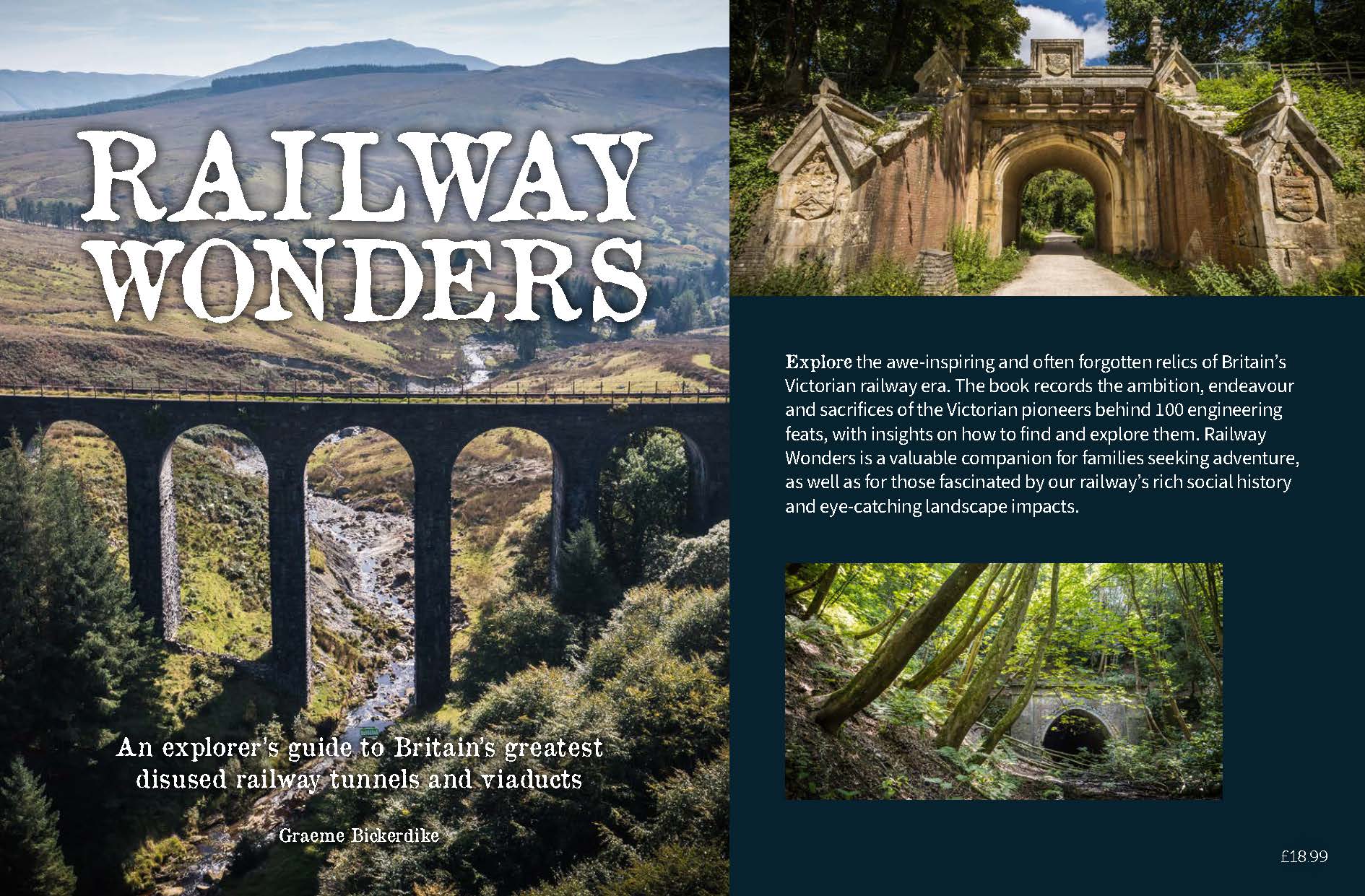
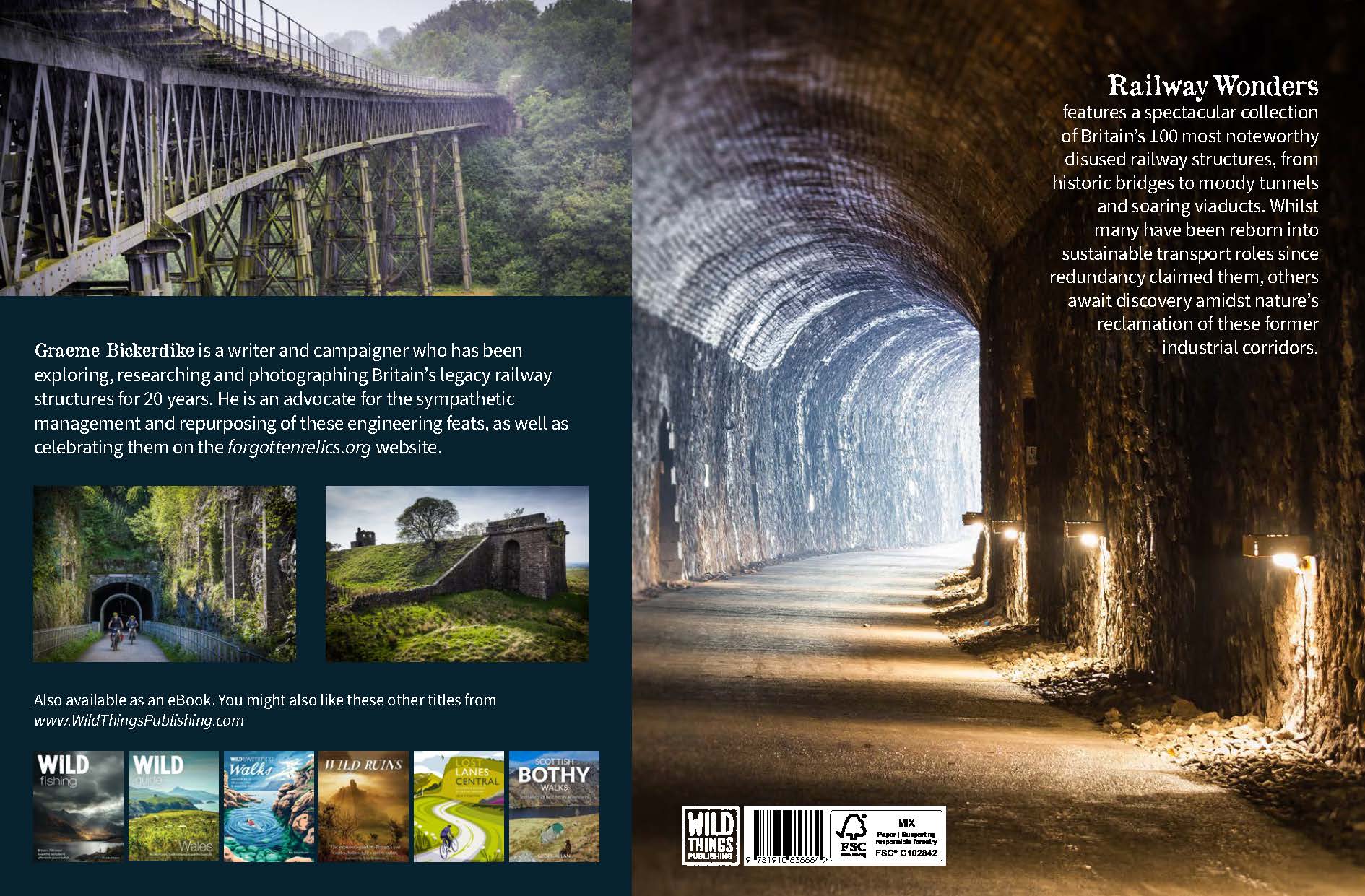
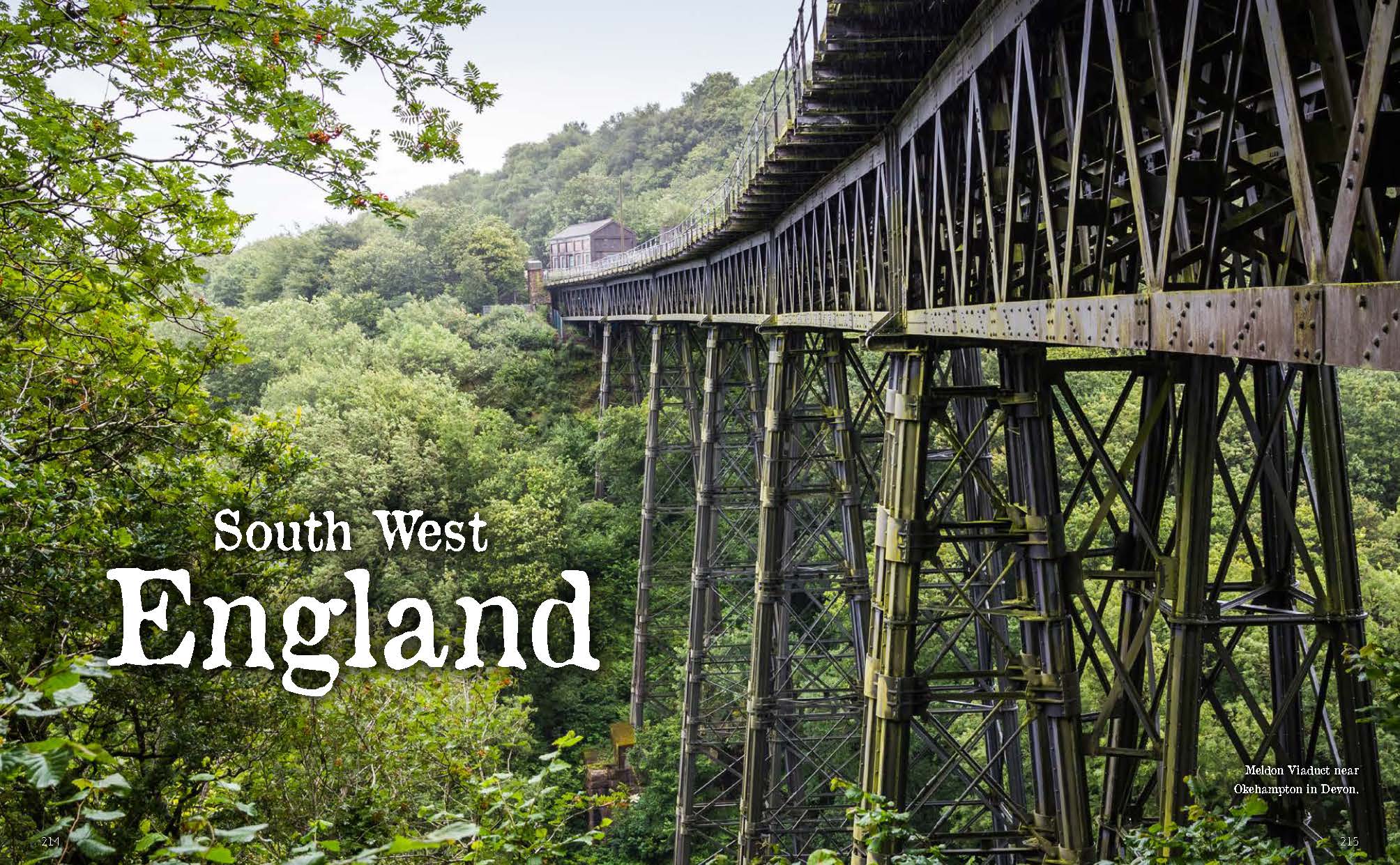
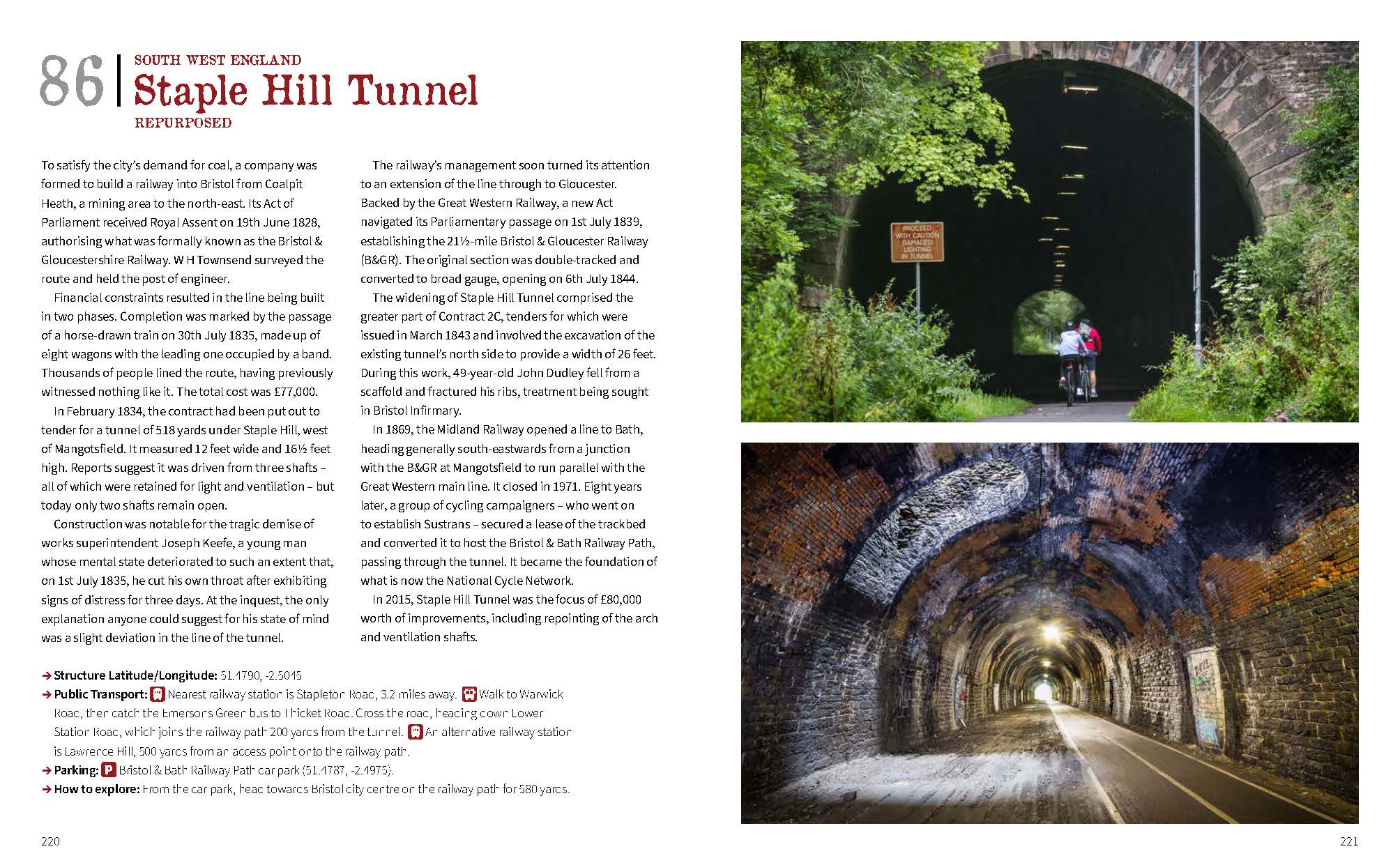
Railway Wonders features a spectacular collection of Britain’s 100 most noteworthy disused railway structures, from historic bridges to moody tunnels and soaring viaducts. Whilst many have been reborn into sustainable transport roles since redundancy claimed them, others await discovery amidst nature’s reclamation of these former industrial corridors.
Explore the awe-inspiring and often forgotten relics of Britain’s Victorian railway era. The book records the ambition, endeavour and sacrifices of the Victorian pioneers behind 100 engineering feats, with insights on how to find and explore them. Railway Wonders is a valuable companion for families seeking adventure, as well as for those fascinated by our railway’s rich social history and eye-catching landscape impacts.
Graeme Bickerdike is a writer and campaigner who has been exploring, researching and photographing Britain’s legacy railway structures for 20 years. He is an advocate for the sympathetic management and repurposing of these engineering feats, as well as celebrating them on the forgottenrelics.org website.
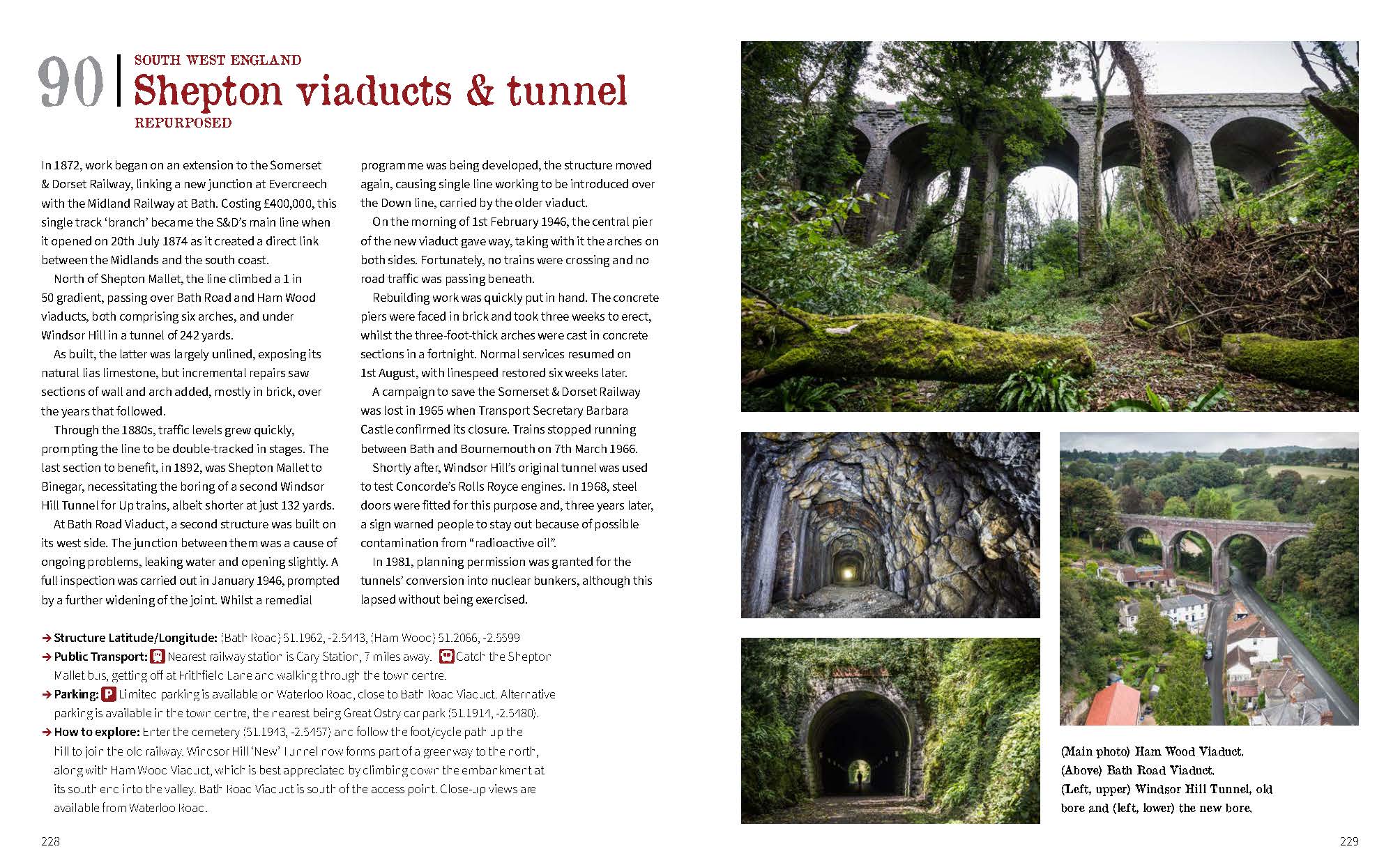
Humanity has been placing wheeled vehicles on tracks for many hundreds of years. Some of the wheels had flanges; some of the tracks had grooves. Waggonways – whereby men or horses pulled tubs or carts along wooden rails – began to appear in Britain and Europe during the 16th century, mostly associated with mining.
Rudimentary iron rails were introduced in the latter part of the 18th century and the transition from horsepower to steam was kick-started by Cornish engineer Richard Trevithick in 1804 when he built the first full-scale working railway steam locomotive. George Stephenson, who played a defining role in their subsequent development, entered the fray in 1814.
It’s at this point that we started to see recognisable railways, culminating in the Stockton & Darlington in 1825, the Liverpool & Manchester and Canterbury & Whitstable in 1830 and the Cromford & High Peak in 1831. All these routes incorporated major civil engineering feats to maintain manageable gradients, empowering the haulage of large loads at high speeds (all things being relative) over considerable distances. The railway age had started and the speculative investment of the 1840s – before the associated financial bubble burst – established a core network that drove a staggering industrial and social revolution, in much the same way as the internet has. Even time was standardised to address timetabling discrepancies.
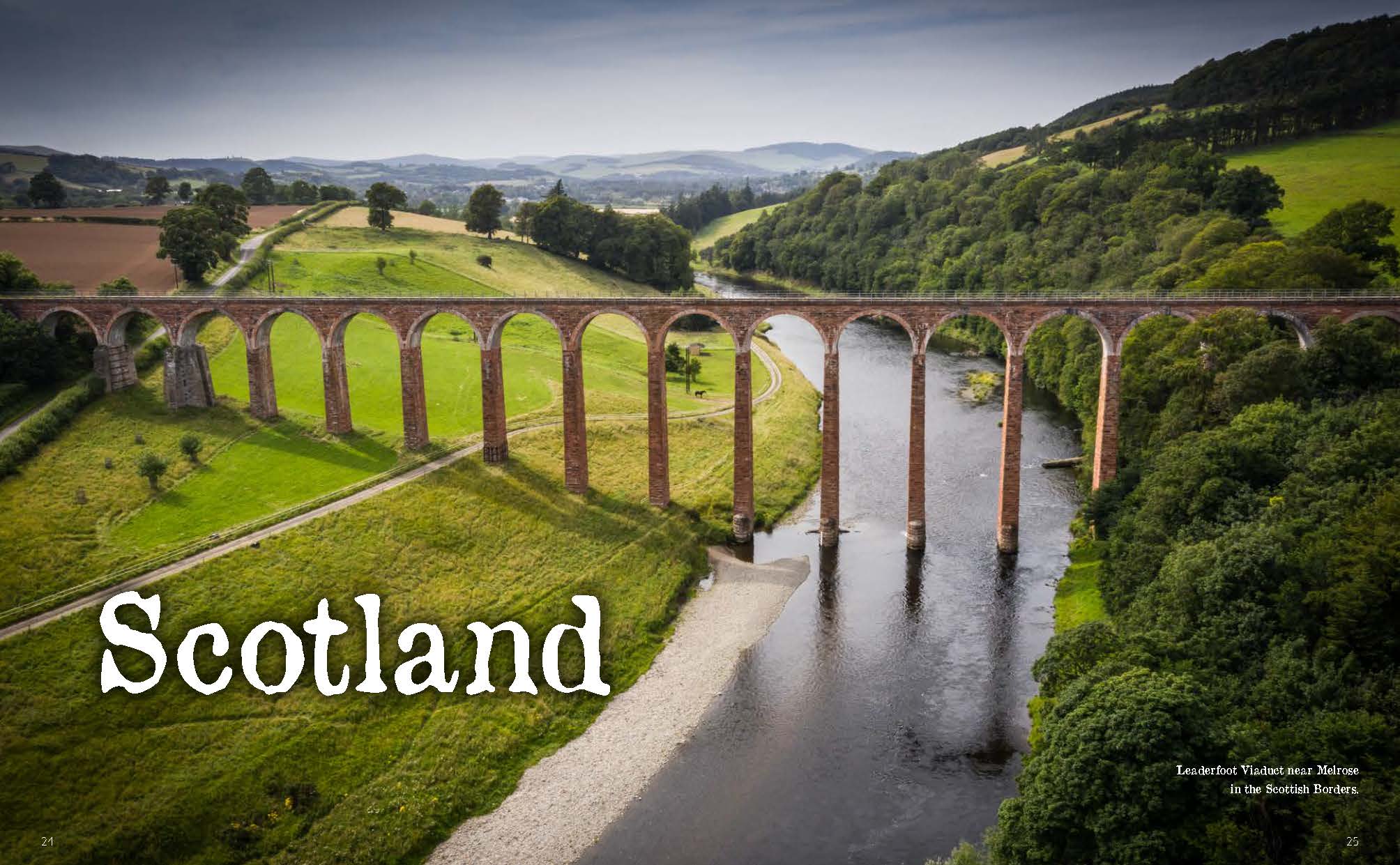
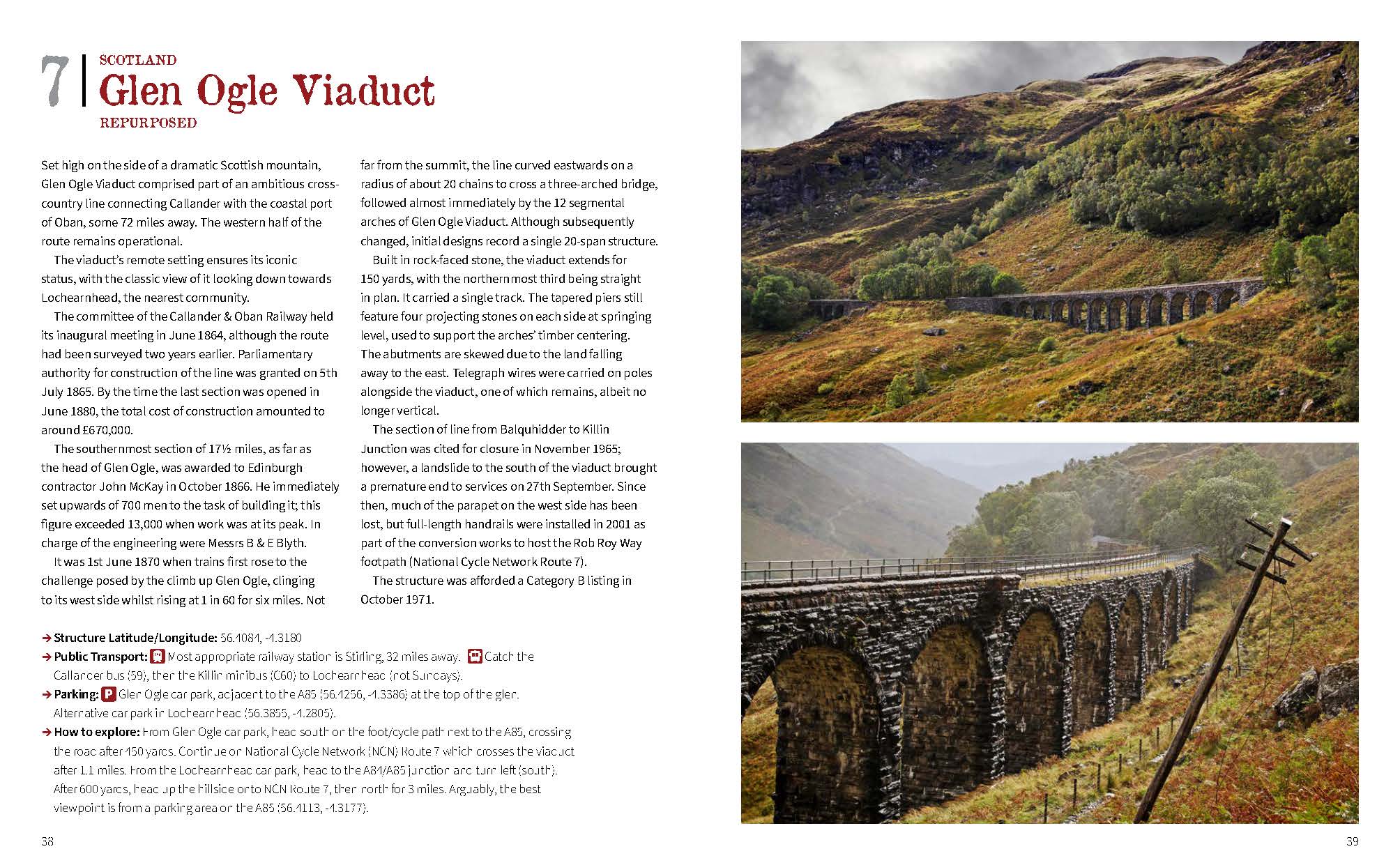
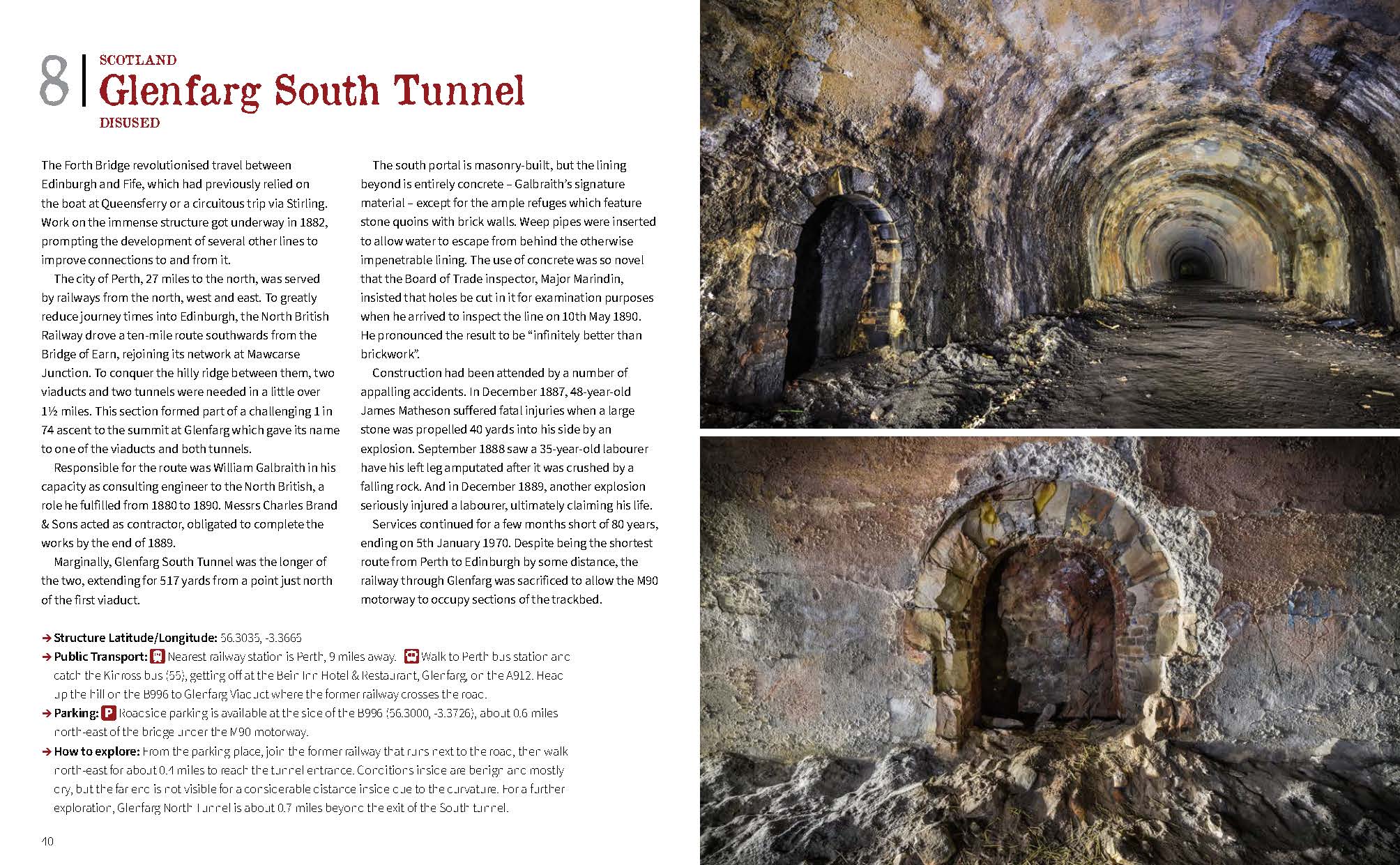
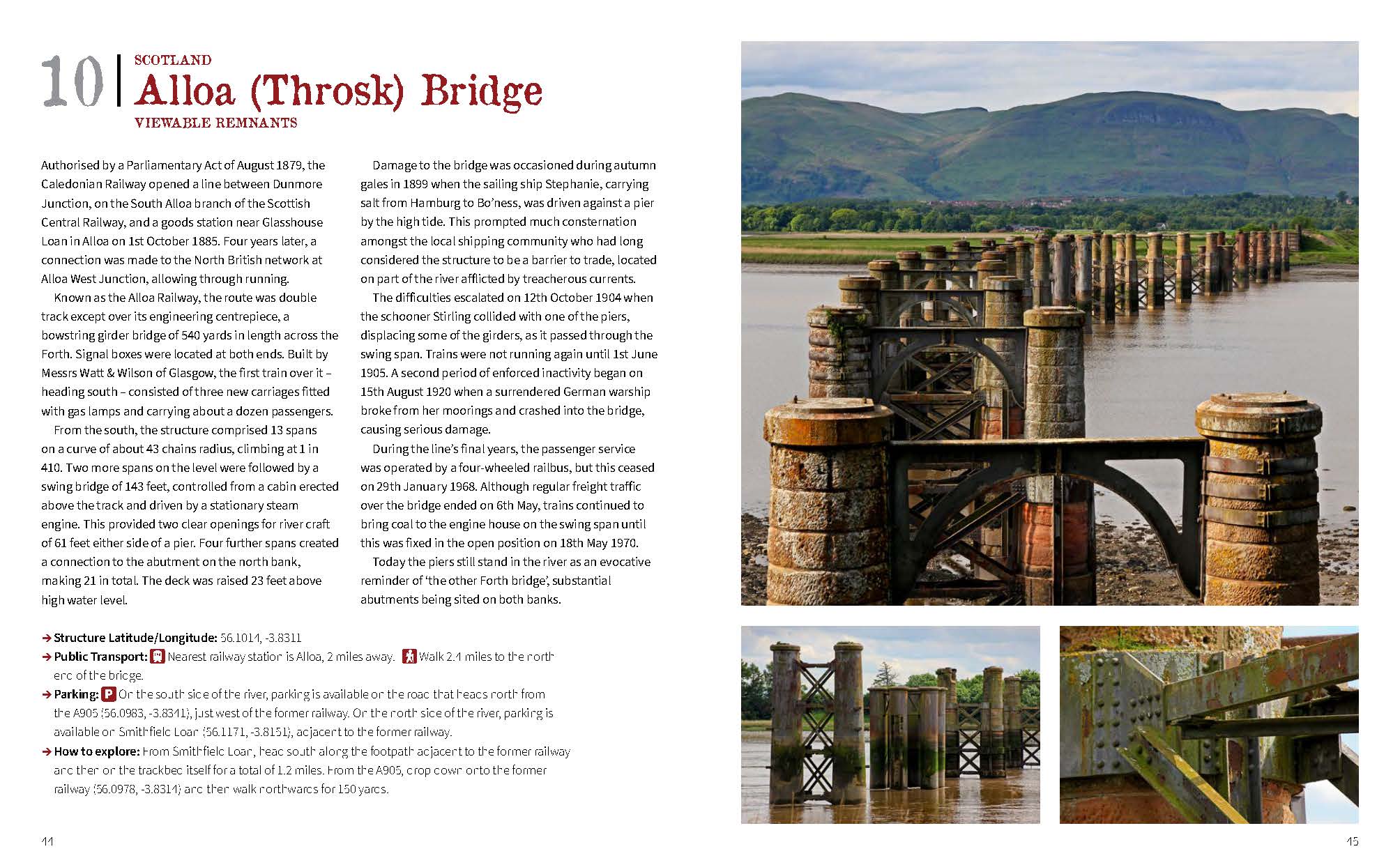
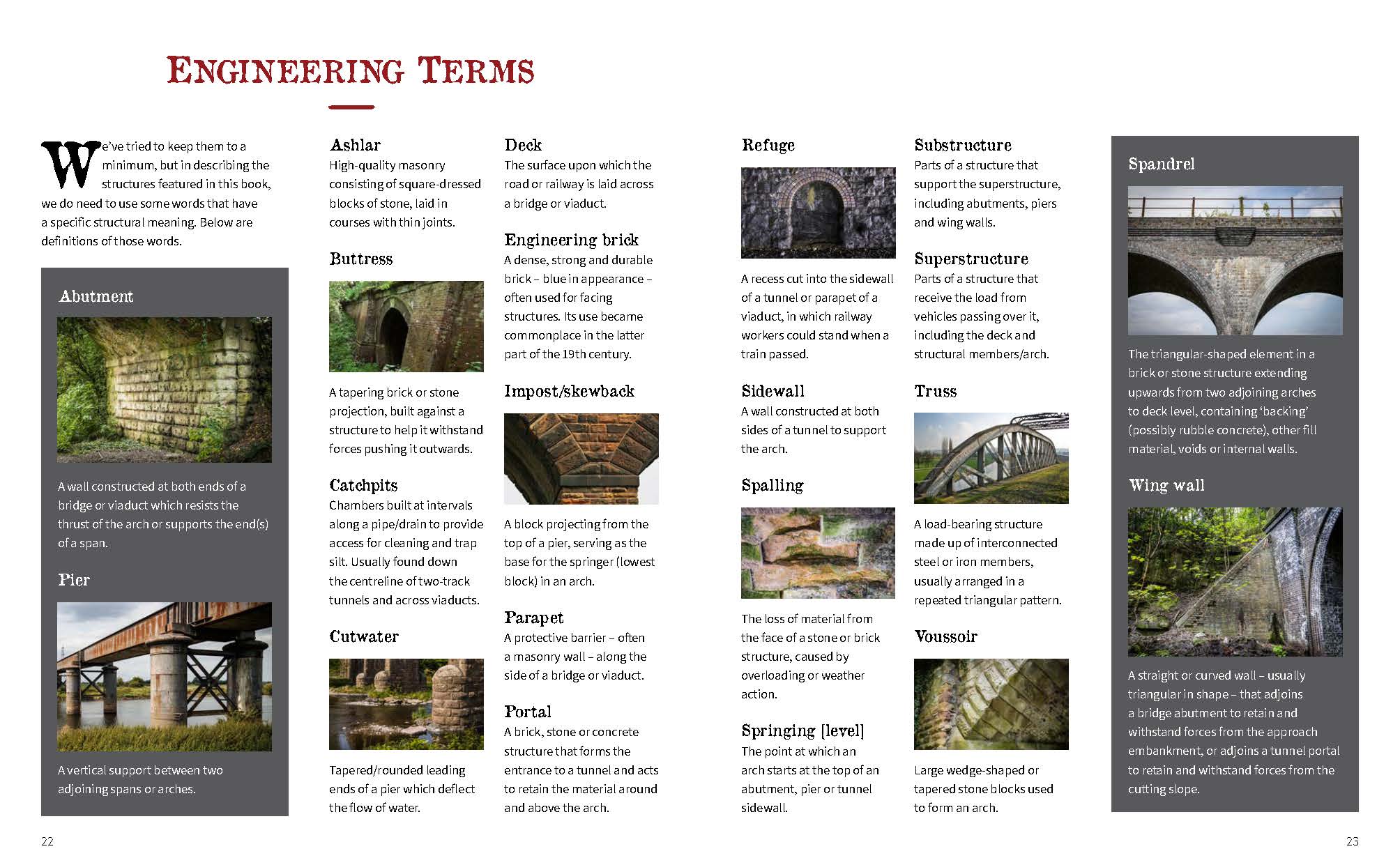
What we tend to lose sight of as modern, comfortable trains (again, all things being relative) carry us through, around or over the nation’s natural barriers is that the structures involved are more than 150 years old in most cases, with a handful now reaching 200 years. Even those that were deemed surplus to our requirements during the railway’s retrenchment of the 1950s and 1960s stand as monuments to a period of unsurpassed ambition and enterprise, powered by courage, will-power and elbow grease. We should value them and marvel at the achievement.
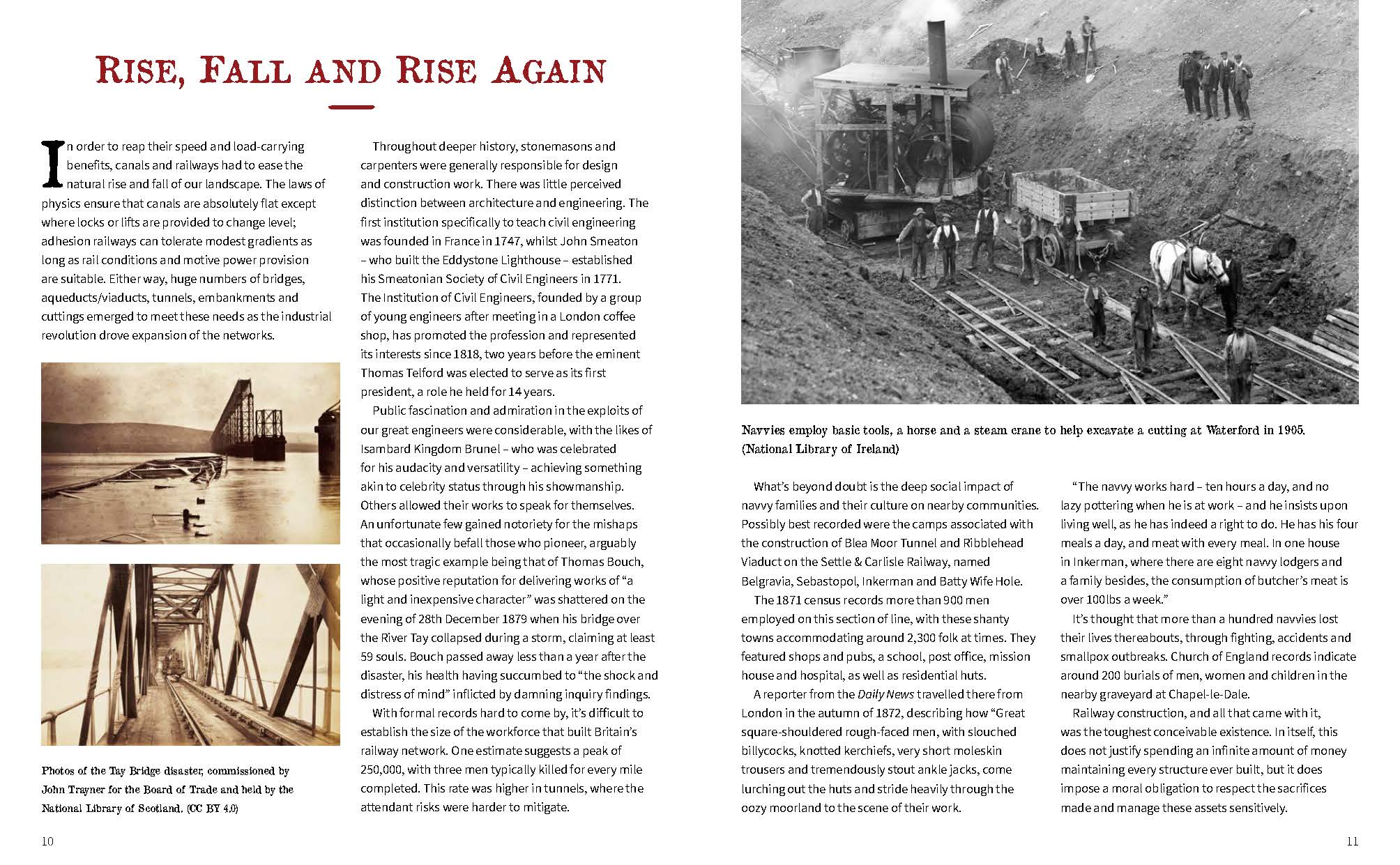
Tunnels and viaducts were won from the earth by navvies in their thousands, assisted by horses, explosives and basic tools. The conditions endured are unimaginable, with shifts lasting eight or 12 hours, six days a week. Death and mutilation often attended, with falls from height being commonplace, as well as crush and blasting injuries. Some of the mishaps were drink-fuelled, a fate not diminished by employers paying some bonuses in beer which the workforce was allowed to consume whilst on the job.
Meanwhile, in the huts that passed for homes, killer diseases took their toll – occasionally claiming victims by the dozen – with no welfare state to care for those left behind. Violence lurked within encampments, but there was education too and religious enlightenment. No matter how modest, every structure has a tale to tell, with many being compelling.